'Falling over backwards - an essay against the reservation and judicial populism' is one of the most meticulously researched and persuading book written by a person with a zeal and a mission in his mind. And the mission was to make it a point that individual should be the unit of the governance, not the interest groups or communities. The author Arun Shourie who has written many more books on the topics which just do not get too much attention in the public discourse predominant today. Written in 2005, Shourie took many cases from the history,  words from the constitutional amendments, and excerpts from the judgments of the High Courts and the Supreme Court just to debate on the merit of the reservations being given on any basis. In this book, Shourie emphasizes on basically three things : first, the tendency among the public to register as uppers castes during British Raj and subsequent loosening of the caste boundaries; second, the politicians' approach to identity politics and seeing this as a chance to rise in Indian political landscape; third, the response of High Courts and Supreme Courts and the arguments given by progressive judges. These are three main areas in which the author researched and put forward his arguments. Let us look at them one by one. 
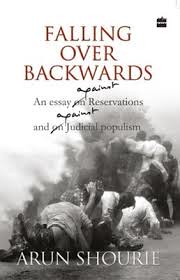
'Falling over backwards' by 'Arun Shourie'When the census was started in British Raj, the caste-based census was also started by them. Among other reasons, this was also done to see if different communities can be given proportional representation which was then strictly based on religion. When this was started there were two main trends visible among people. First was caste consolidation, in which many similar caste and sub-castes formed one umbrella group and wished to be enrolled as such. One example that author gives in his book is that of Yadav surname which was adopted by different castes such as Ahir. The second trend was the tendency among people to enroll as upper castes. So many castes so far deemed as lower castes enrolled as different categories of Kshatriyas and Brahmins. People were eager to leave the lower caste stamp on them. The other advancements such as Railways also contributed in fighting with this taboo. People sitting together in railways won't ask the caste of the fellow passenger whereas in villages untouchability was still prominent. The overall effect was that caste boundaries were slowly and slowly getting less relevant. In fact, different communities enrolled as different caste or caste groups in the census and as an altogether different caste or caste groups in the subsequent census. This had a hit on the reliability of census data. British Raj discontinued the caste based census in 1931 citing the unreliability of data so collected.

The second part that Arun Shourie touched upon is the politics over the reservation. With reservation for scheduled castes and scheduled tribes firmly in place, demands started for reservation to other backward classes. But with no criteria to define a backward class upon which everybody agreed, castes became synonymous with classes as far as reservation is concerned. Politicians losing credibility resorted to the identity politics and during 1980s demands were so strong that it was possible to achieve those demands from a weak government. Here too it is noteworthy that many times the proper procedures to define a caste as backward were not followed. Procedures said that a backward class commission will study the social, economic and educational status of a community before awarding the status of backward class, but in practice, those groups who had enough electoral clout and those who could protest were included in the backward classes list. The trends that we saw in the early twentieth century where people enrolled them as upper castes are reversed now and there is a clamor in these communities to be declared as backward classes. Then this fact should also be not ignored that the reservation was given based on the data of last caste-based census of 1931. This basis has two arguable assumptions - first, the rate of population growth has remained same and second, the demographics of various regions have not changed despite uneven economic development in different areas in fifty years and a large scale migration due to partition. 

The third thing that Shourie studied was the response of the High Courts and Supreme Court. To cite the many examples given by Shourie in his book, many times courts would deliver judgments citing Manu Smriti, the impact and influence of an ancient text itself under question and many time they would leave the decision on the executive (the government). Arun Shourie makes one point that in the Western countries, the prospective law officials have to study the judgments of higher courts. In India, this was hardly the tradition leaving many monumental judgments go unnoticed and escaping academic scrutiny. In India, whatever new acts and constitutional amendments were passed by the political class in parliament were later given nod by courts. This has the result that reservation looked more like permanent although it was implemented for a predefined time-period. 

It would be wrong to say that reservation did not bring any benefit to the communities for which these were enacted, but the point is that these benefits should be debatable and how more deprived people can be given benefits in other ways, apart from the reservation, should be considered too. The fact is that reservation is a reality and no political party can reverse that, we must analyze in retrospect the effects of the reservation and its alternatives. In this book, Shourie's love for detail is impressing but many times many arguments become repetitive and same characters keep coming in at different places for different points to prove. This book is not that an easy read but it is a well-researched book on a political topic full of facts which are hard to find anywhere else.

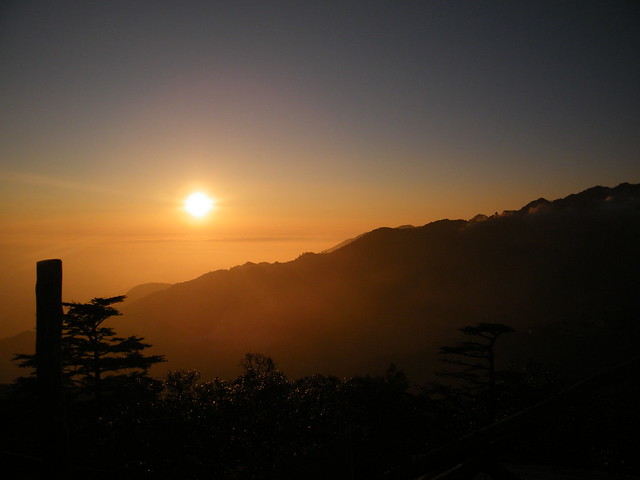
सूर्योदय और सूर्यास्त, भोर और साँझ 

प्रकृति की दो प्रक्रियाएँ हमेशा से ही आकर्षित करती रही हैं। वो हैं - सूर्योदय और सूर्यास्त। भोर की वेला का आकर्षण होता है सूर्योदय और वैसे ही साँझ वेला का मुख्य आकर्षण सूर्यास्त होता है। मुझे अच्छी तरह से याद है कि बचपन में स्कूल की दीवारों पर लिखी हुई सूक्तियों में एक यह भी हुआ करती थी कि "सूर्य न तो अस्त होता है और न उदय, हम ही जागकर सो जाते हैं।" अब बाल मन ने कहावत पढ़ी और अनदेखा कर दिया, हर दिन। उस समय इस कहावत के खगोलीय और दार्शनिक महत्व के बारे में ज्यादा पता न था। और अब हालत ये है कि सूर्योदय और सूर्यास्त को देखते ही मेरे अंदर का दार्शनिक जाग उठता है। हालाँकि दिनचर्या ऐसी है कि इनको देखना कम ही हो पाता है। और ऐसा भी नहीं है कि सूर्योदय को देखकर सबके मन में सिर्फ दार्शनिक विचार ही आते हैं। लेखक जरॉड किंट्ज़ ने तो सूर्य के चाल-चलन की ही शिकायत कर दी। कारण भी ये कि भोर में सूर्य रेंगते हुए खिड़कियों पर चढ़ आता हैं और वहां से झांकता है। लेकिन घबराइये नहीं। सूर्य के चरित्र-हनन का मेरा कोई इरादा नहीं है। 

उखीमठ, उत्तराखंड में गढ़वाल मंडल विकास निगम के गेस्ट हाउस की एक भोर आज तक नहीं भूलती है। वैसे तो हिमालय में सूर्योदय के उत्तम दृश्य देखने के लिए कुछ जगहें ही उपयुक्त कही जा सकती हैं और वो इसलिए क्यूंकि ज्यादातर पहाड़ी बस्तियां पर्वतों से घिरी होती हैं। जब तक सूर्य पहाड़ों के ऊपर आता है, तब तक दिन काफी चढ़ चुका होता है और सूर्य अपना नवजातपन खो चुका होता है। मुझे याद है कि एक बार हृषिकेश में सूर्योदय देखने के लिए हमने रात्रि-जागरण किया था लेकिन सुबह सूर्य दिखने तक भोर का नामोनिशान गायब हो चुका था। खैर उखीमठ ने हमें निराश नहीं किया। वहां से हिमाच्छादित पहाड़ों की छटा बस देखते ही बनती थी। सामने गुप्तकाशी और बीच में घाटी में बह रही मन्दाकिनी नदी की कर्णप्रिय आवाज और फिर बादलों से अठखेलियाँ करता हुआ सूरज। जनवरी के महीने में सूर्य की गुनगुनी किरणें किसी वरदान से कम तो नहीं लग रही थीं। और सूर्य की लालिमा से बादल और बर्फ से ढके पहाड़ भी लाल लग रहे थे। 

हृषिकेश में सूर्योदय देखने का सौभाग्य हमें प्राप्त नहीं हुआ, लेकिन सूर्यास्त जरूर देखा यहाँ पर। त्रिवेणी घाट से हमने सूर्य को नीचे मैदानों की तरफ जाते देखा। उस जगह से गंगा नदी भी एक मोड़ लेकर आँखों से ओझल हुई जा रही थी और सूर्य भी अस्त हो रहा था। ऐसा लग रहा था कि उस जगह तक प्रकृति की सत्ता है और उसके बाद मनुष्य की। मसूरी की साँझ भी कम शानदार नहीं कही जा सकती। पहाड़ों से रहित एक साँझ में हमने पूरा सूर्यास्त देखा। सूर्य को धीरे धीरे लाल होते देखा और फिर पूरा क्षितिज लाल था, पहाड़ों का बस धुंधला सा खाका देखा जा सकता था। कुछ देर बाद सूर्य जब और अस्ताचल की ओर बढ़ चला तब आसमान में एक रेखा साफ़ देखी जा सकती थी जिसके नीचे अंधकार था और जिसके ऊपर लाल रौशनी जगमगा रही थी। जब सूर्य दिखना बंद हो गया तब लाल आकाश के नीचे देहरादून शहर में जलते हुए प्रकाश बिम्ब साँझ की शोभा बढ़ा रहे थे। 

कभी कभी सोचता हूँ कि मनुष्य को सूर्योदय और सूर्यास्त क्यों अच्छा लगता है। सूर्योदय को अच्छा लगने के पीछे यह कारण हो सकता है कि मनुष्य की इस धारणा की पुष्टि होती है कि अंधकार नित्य नहीं रहेगा। हमारी संस्कृति में अंधकार को बुराई और प्रकाश को अच्छाई का प्रतीक माना गया है। प्रतिदिन सूर्योदय उस बुराई पर अच्छाई की विजय का प्रतीक है। और सहज ही समझा जा सकता है कि पुराने समय में लोग सूर्योदय की इतनी बेसब्री से प्रतीक्षा क्यों करते होंगे। और रही बात सूर्यास्त की तो उसको भी अच्छाई-बुराई से जोड़ते हुए यह कहा जा सकता है कि लोगों को पता है कि यह जो अँधेरा सूर्यास्त ला रहा है वो क्षणिक है, कल फिर सूर्योदय होगा और अंधकार पराजित होगा। इसलिए वो उत्साह से भोर का इंतज़ार करते हैं। 

कभी यह नहीं सोचा था कि सूर्योदय और सूर्यास्त में ज्यादा कौन अच्छा लगता है। मुझसे यह प्रश्न हिंदी साहित्य जगत के नवांकुरों में से एक ने पूछा था। मैंने थोड़ा सोचा इस बारे में, लेकिन बुद्धिजीवियों को संतुष्ट कर पाने वाला जवाब नहीं मिला। मैंने बताया कि सूर्यास्त ज्यादा अच्छा लगता है क्योंकि वो आँखों को ज्यादा सुखदायी होता है। तब उस नवांकुर ने बताया , "किसी चीज की सुंदरता का एहसास तब ज्यादा होता है जब वह हमसे दूर जा रही हो, बजाय इसके कि जब वह चीज हमारे पास आई हो और काफी दिन तक साथ रहे। और जब हम किसी चीज को जाते हुए देखते हैं तो हम उसे देखने के लिए रुकते हैं। उससे आत्मीयता का एहसास होता है। उगते हुए सूरज की वैसे तो कुछ लोग पूजा भी करते हैं लेकिन उसे उगते हुए देखने के लिए कोई रुकता नहीं है जैसे कि लोग अस्त होते हुए सूरज को देखने के लिए रुकते हैं।" सचमुच इस प्रश्न का इससे खूबसूरत दार्शनिक जवाब संभव नहीं था।

मसूरी की एक साँझ
मसूरी की एक साँझ
(तस्वीर धर्मेन्द्र कुमार  के सौजन्य से )


From Barot, we went to Kasol, another small town of Himachal Pradesh situated in the Parvati valley. From Ghatasani, we boarded a bus to Bhuntar via Mandi. We came through a tunnel in Aut, which is situated little before Bhuntar. These engineering marvels always fascinate me. Bhuntar has a small airport with few flights to Chandigarh and Delhi, mostly catering to the tourists arriving for Kullu and Manali. Kullu is just 5 km away from Bhuntar. I bought, at last, the traditional Kullu topi in Bhuntar as a souvenir of this trip. In Bhuntar, Parvati river meets Beas river and they continue their journey as Beas river. One could easily distinguish two rivers at their 'Sangam', one was rich in silt and other was cleaner and greener. 
Sangam of Parvati and Beas rivers

We boarded a bus from Bhuntar to Manikaran. Manikaran is 34 km away from Bhuntar. Kasol is 3 km before Manikaran. Manikaran is a famous pilgrimage destination and we saw many pilgrims flocking to Manikaran having orange and yellow flags on their vehicles. Manikaran has a famous Gurudwara, Manikaran Sahib, a temple and a hot water spring. 
Parvati river in Kasol

The journey from Bhuntar to Kasol was the most pleasant one in our journey so far. We were on a bus with the mighty Parvati river flowing in the valley, lightly raining, cool air blowing and with mind lost somewhere. Not to forget the dangerous roads. On our way to Kasol, we saw baskets moving on wires from one hill to another on the other side of the valley. This motorised apparatus was installed to transport materials to inaccessible villages. 
Road to Manikaran
Road to Manikaran 

We reached Kasol in the evening and after searching for hotel rooms, we settled for one cottage on a hill slope, little secluded from the main market of Kasol. We then went near Parvati river. The roar of running water was splendid and so were the rapids formed by rocks. On one side was Parvati river and on the other side was a jungle of chir trees. It was a beautiful setting. From Kasol, we could see snow capped peaks in distance shining because of the reflection of the red sun. 
Snow capped mountains towards Manikaran

We continued our journey along the banks of Parvati river on the road to Manikaran. There we came across a small bridge on Parvati river meant for a small village on the other side. While crossing this bridge, it started vibrating which frightened us, more so in the backdrop of the river colliding with rocks and increasing turbulence. 
in Kasol
in Kasol

It was already dark and we started to return towards the market area of Kasol. This small village was particularly famous among Israeli tourists. We saw many of them. In fact, one of the shopkeepers told us they have been living here for months and are hundreds in number. Many of them are living in villages on the outskirts of the Kasol. The importance of Israeli tourists can be understood by many signboards which were in Hebrew. One of the signboards described Kasol as Chabad of Israel. Even restaurants served Israeli cuisine. 


I have visited many towns and cities in hilly states of Uttarakhand and Himachal Pradesh, but there was a desire to travel to a Himalayan village, an isolated place where life is not so fast-paced and where I can sit back and relax while being surrounded by hills. One of my friends had been to Barot and when he posted pictures of this small village, I was impressed by them. I wanted to visit this village then, but this place is difficult to reach in winters due to snowfall. We got to know from the villagers in Barot that snowfall continued till early may in Barot that year. Even this was a spontaneous plan made a day before the actual travel. After considering few places, we zeroed in on Barot.
Way to Barot
Way to Barot

There are two popular routes to reach Barot. First is by bus via Mandi. Second is by bus via Joginder Nagar. Even while coming via railways from Pathankot station, one has to reach Joginder Nagar. From Mandi or Joginder Nagar, buses are available at regular intervals. On the Mandi-Joginder Nagar highway, there is a small diversion at Ghatasani for Barot. Barot is around 25 km from Ghatasani. Roads till Ghatasani were in a good condition, but after Ghatasani we saw typical Himalayan Roads : narrow, curvy, single lane although not one way. We crossed the Uhl river near Tikkan village. It took us little less than two hours to reach Barot from Joginder Nagar. 

After reaching Barot, we got to know to our surprise that most of the good places to stay were already booked. We had in our mind a small village which would not be crowded by visitors and which was yet to become a popular tourist destination. We got a room at one River View home stay. In Barot there are many homestays, rooms that people spare from their daily usage during tourist season. Ours was in Multhan, a small village situated on the other side of the river, falling in district Kangra. 
Multhan village near Barot

When we reached Barot, the weather was sunny and it was not particularly pleasant, but after a couple of hours, there were clouds and cool winds started blowing. It was nice to roam around in such a weather. The first place that we went to was Haulage Trolley. This trolley was built during British reign and was used to transport instruments and materials for building Shanan Dam and Reservoir. Currently, it is operated by Punjab State Electricity Board (PSEB). This trolley was used for transportation till the 1970s when Barot was still not connected by a road. 
Haulage Trolley
Haulage Trolley

When we looked from the start of trolley tracks to it going high and high towards the peak, the first thing that came to my mind was 'Stairway to Heaven' a famous song by Led Zeppelin, although in this case it was 'Railway to Heaven.' These tracks invited a visit and we accepted happily. The initial part of the tracks was not that steep and we had no problem but then it became very steep. So steep that we had to use all our limbs to reach beyond first of such steep parts. We stopped there to take rest. Then we met a resident of nearby village returning from school. Travelling 5 km to and fro for schooling was a tough task when it involved climbing hills also. While coming to Barot, we also saw very young children going to school, standing in a jam-packed bus, something we experienced while going to Kasauli as well. He told us that there were three such steep parts in trolley tracks and with this speed it would already be dark by the time we would return. Then started rains. We abandoned our plans to go to the other side of the hills with heavy heart as we had seen in pictures that the other side of the hill provided breathtaking views. 
River run-off in Barot

We then went in the valley to be with river Uhl. The clean water moving with speed and small falls made that place a beautiful one. Next on our list was the Shanan Hydel Power Project. this hydel plant was built on Uhl river in 1932 during British Raj. It was the first Megawatt capacity hydropower plant in India. There were two diversions for stream which were used to send water to Shanan Powerhouse situated few kilometers downstream. There was also a water jet like structure sending water upwards, that was the attraction of the evening for us. 
With Uhl river in Barot

We also went to the Trout Fishing area. One has to take a prior license for fishing. There we saw colorful fishes of different sizes. During the night, we wandered on the empty roads of Barot and Multhan. Times like this are the ideal setting for our bakaiti sessions. Next day we got up late in the morning and missed the first bus from Barot to Ghatasani. Next bus was after two hours. We went again to the Dam and in the mean time also tried hands on a sling-shot. Then the bus came and we left for our next destination, Kasol. 


तीरे-ए-नज़र नीम कश, वफात बाक़ी
कोई तो हाल खबर पूँछो, हयात बाक़ी।

हर क़त्ल पर बदनाम हुआ मेरा कातिल
अभी इसबात बाक़ी तहक़ीकात बाक़ी।

ढह गई मेरे दिल की दीवार दो बातों से 
अभी उनके अश्कों की बरसात बाक़ी।

औंधे आसमान के नीचे मेरे साथ बैठो
तारों के सफ़र के साझी बनें, रात बाक़ी।

आओ कुछ अफवाहें फैलाएं हवाओं में 
आज खबरों में कोई बड़ी वारदात बाक़ी।

आँखों आँखों में जीने मरने के वादे हुए
वो कहते हैं कि अभी मुलाक़ात बाक़ी।

चर्चे-किस्से चले, रुसवाइयाँ हुईं फिर भी 
रह गई यायावर के दिल की बात बाक़ी। 


नीम कश - half-drawn; वफात - death; हयात - life; इसबात - proof;