Delhi is aptly called the city of cities. Purana Qila is the oldest fort in Delhi and some recognise it as the first city of Delhi, once inhabited by emperors like Humayun, Sher Shah Suri, and Hemu Vikramaditya. This place is also believed by many to be the site of Indraprastha, the ancient town mentioned in the epics. Sher Shah rebuilt the fort at the same place but died before the construction was complete and it was completed later by his son Islam Shah. When this fort was built it was situated on the banks of river Yamuna, but since then the course of the river has changed. 

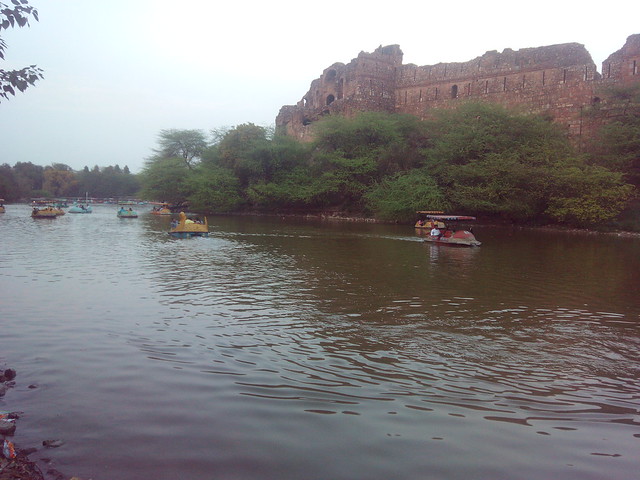
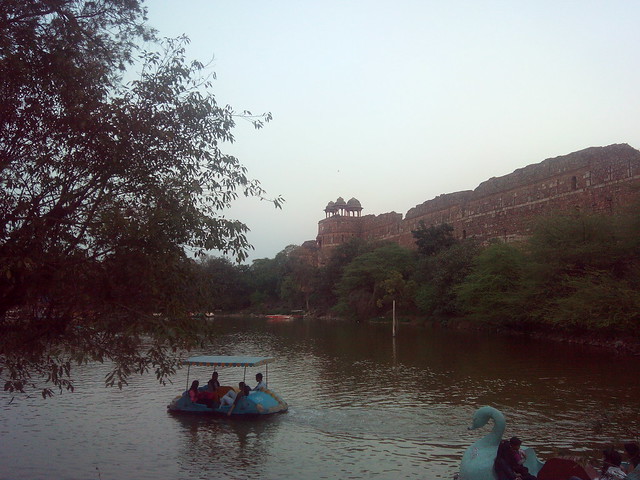
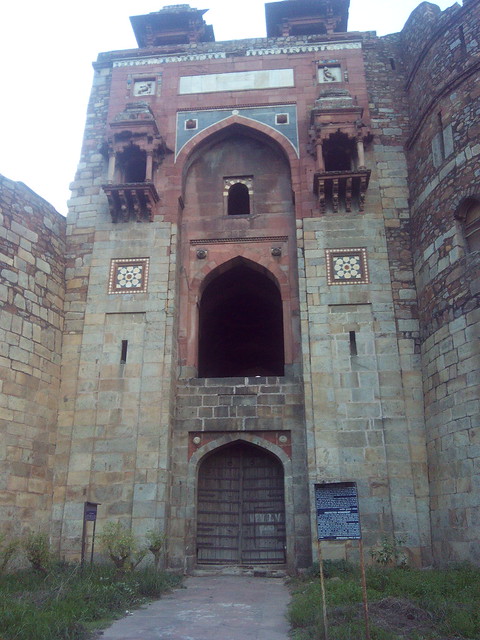
There are three entrances to the Purana Qila. The main entrance known as Bada Darwaza was one from where entry is allowed. It was a gate having all the characteristics of the fortified structures. There were towers on the second floor on the either side of the gate. At that time, soldiers must have manned the gate from these towers. There were two other entrances : Talaqi Darwaza or forbidden gate and Humayun Darwaza, possibly known as such because it may have been completed by Humayun. Humayun Darwaza is visible from nearby Delhi zoo. The Talaqi gate is now closed for all purposes. One has to go around the lake to see the Talaqi Darwaza. The lake is outside the main walls of Purana Qila on its western side. It was a common practice during those times to have a lake around the outer walls to reinforce the security of forts as was the case with Tughlaqabad Fort, although the lake has dried since then. Today, boating facility is present in these lakes. 
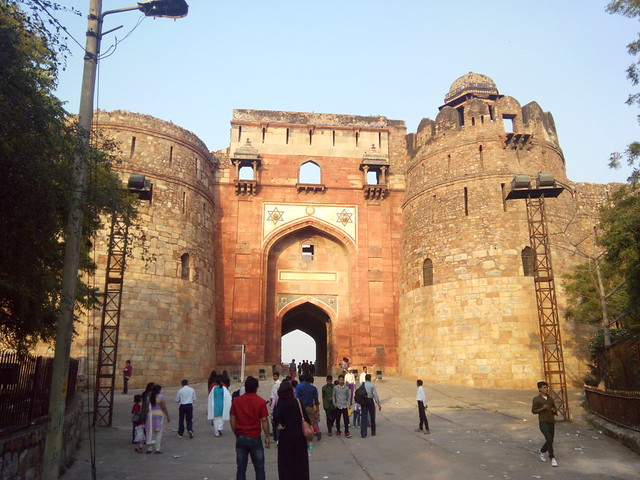
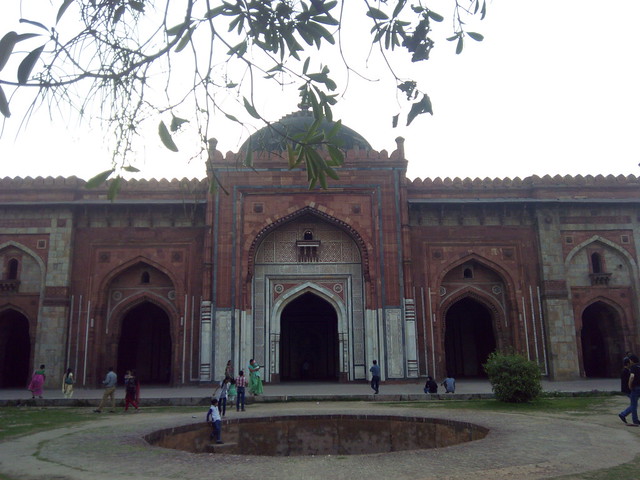
Bada Darwaza, main entrance to Purana Qila


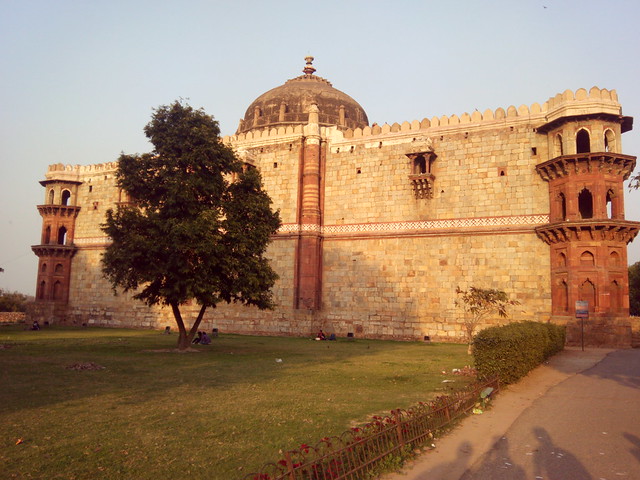
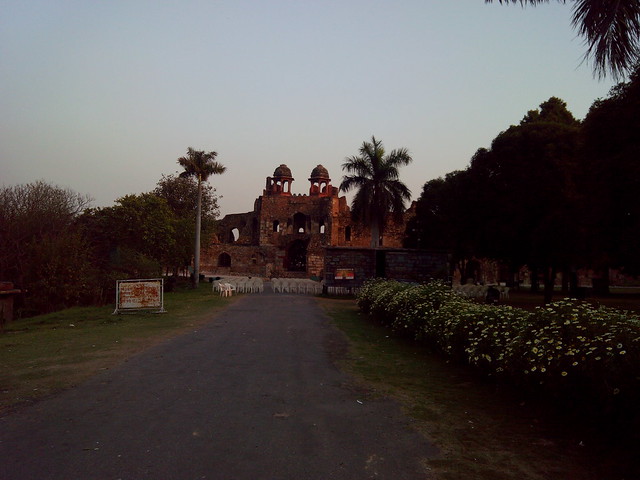
When we entered the fort premises, we saw sprawling lawns with buildings to been seen sparingly. We saw the double storied structure of outer walls on the western side and that of the main gate, Bada Darwaza. Whatever remains are standing in Purana Qila are in good condition preserved by Archaeological Survey of India. We then went towards the Qila-i-Kuhna Mosque. It was built by Sher Shah. One of the first buildings in the region to use pointed arches, this mosque is in good condition even today. In its courtyards, there was even a water tank with a fountain. The second storey has balconies accessible via stairs which were probably built for female courtiers to pray. 
Qila-e-Kuhna Mosque in Purana Qila, Delhi
Qila-e-Kuhna Mosque in Purana Qila


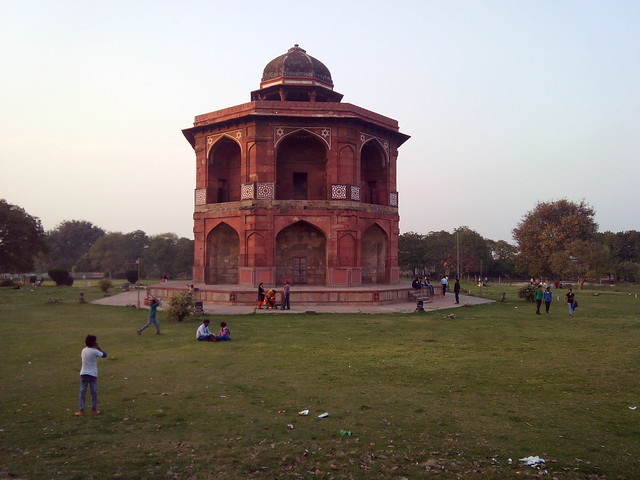
We then saw some excavations done on few sites and the material excavated was displayed there. Such excavations by ASI have shown the inhabitation of this place since ancient times. Then there was an octagonal building known as the Sher Mandal. It was a double storied structure planned as an observatory and personal library of the emperor. Today entry to the Sher Mandal is prohibited. This was also the place where Humayun fell from stairs of the second storey to his death while hurrying for evening prayers after stargazing. 

Sher Mandal in Purana Qila, Delhi
Sher Mandal in Purana Qila.

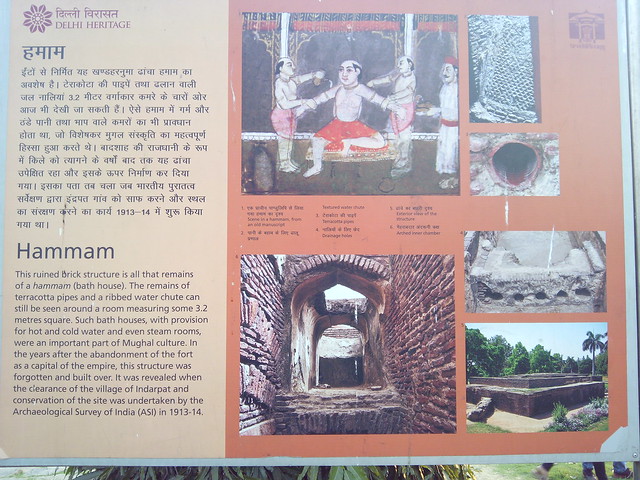
Then we also saw Hammam, a royal bathhouse. A plaque read there, "The remains of terracotta pipes and a ribbed water chute can still be seen around a room measuring some 3.2 metres square. Such bathhouse, with provision for hot and cold water and even steam rooms, were an important part of the Mughal culture. In the years after the abandonment of the fort as a capital of the empire, this structure was forgotten and built over. It was revealed when the clearance of the village Indraprat and conservation of the site was undertaken by the ASI in 1913-14."

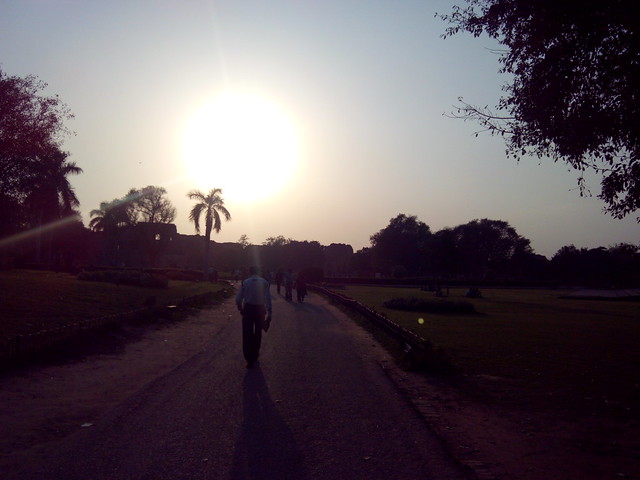
The Purana Qila also has daily light and sound show describing the history of the seven cities of Delhi. Unfortunately, we could not see that as the entire show was booked by a school for an exhibition. The show takes place near Humayun Darwaza inside the fort. The boundaries of the Purana Qila on the eastern side were high and steep. Purana Qila was considered unlucky for the rulers as most of them had short reigns and that is why later emperors shifted their capital to other cities in Delhi. We did some sunset photography in the lawns.

See Purana Qila in Pictures also.


Entrance to the Purana Qila, Bada Darwaza. 

Bada Darwaza, Purana Qila in Delhi
Bada Darwaza, Purana Qila in Delhi.
Inside Purana Qila, Delhi
Rear view of Qila-e-Kuhna Mosque in Purana Qila
Rear view of Qila-e-Kuhna Mosque in Purana Qila.
Qila-e-Kuhna Mosque in Purana Qila
Qila-e-Kuhna Mosque
Details of Archaeological Excavations at Purana Qila
Details of Archaeological Excavations at Purana Qila 
Sher Mandal in Purana Qila
Hammam in Purana Qila
Hammam
Sher Mandal in Purana Qila
Humayun Darwaza at Purana Qila
Lake outside boundary wall of Purana Qila
Boating in lake outside Purana Qila
Talaqi Darqaza of Purana Qila
Talaqi Darwaza of Purana Qila


See Purana Qila : The Unlucky Fort also. 


Patna is a historically very old city. It was established as Pataliputra by Magadha Empire around 2500 years ago and served as the capital of six dynasties. It was once the political centre of India, for a long time. Great names in Indian history such as Chandragupta and Ashoka ruled from Pataliputra. With the fall of Gupta Empire and then , many centuries later, with the advent of Bakhtiyar Khilji's rule who destroyed many ancient monuments, Patna lost its importance as a centre of political and cultural activities. During British rule it was part of Bengal Presidency for a significant period, but when Bengal Presidency was divided it became the capital of Bihar Province. All the ancient heritage sites are difficult to find now and we were there to see modern Patna.

We first left for Rajgir, around 100 km from Patna. Rajgir is popular pilgrimage destination in Bihar. Brahmakund, the sacred holy water springs, is located in Rajgir. Then our true fight with traffic began. In Bihar, the public transport was in a nascent stage at that time and not too many government buses run. Bus stand had more private buses which were a surprise. We boarded one such bus for Rajgir but then were stuck in traffic mess and were not able to move more than 2-3 km in an hour. We then abandoned our plans to go to Rajgir.

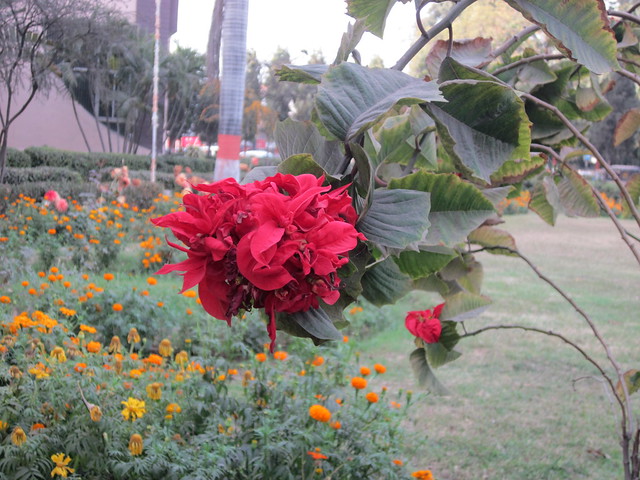
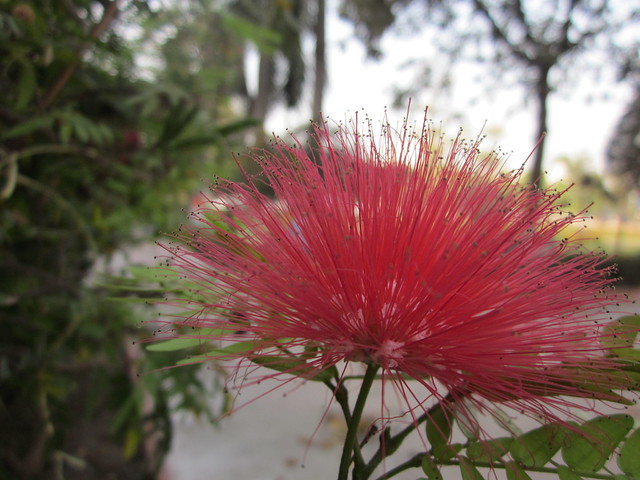
In the evening, we went to Indira Gandhi Planetarium located in Indira Gandhi Science Complex. Wikipedia says it is one of the largest planetariums in Asia. We enjoyed the show inside planetarium on cosmos and stars. Also, one should not forget the beautiful lawns in planetarium campus and beautiful red flowers. We roamed there taking pictures while we waited for next show to start. 

Lawns in the Indira Gandhi Planetarium Complex, Patna
Flowers outside Indira Gandhi Planetarium in Patna.

Flowers outside Planetarium in Patna
Outside Planetarium in Patna

We then went to Takht Sri Patna Sahib, one of the five Takhts, seat of authority of Sikhs. Guru Gobind Singh was born here and later a public edifice was raised here and called 'Harmandir Ji.' This is one of the most sacred places for Sikhs. Takhat Sri Harmandir Ji, Patna Sahib finds mention in writings of many foreign scholars such as Charles Wilkins, the famous Orientalist who was the first to translate Bhagavad Gita to English. We went inside the Gurudwara and as always the shabad and kirtan inside the Gurudwara were enchanting. We saw there many articles of Guru Tegh Bahadur Ji and Guru Gobind Singh Ji, such as swords, arrows, and books. 

While going towards airport we saw historic Gandhi Maidan. I had heard many stories of the historic gatherings at Gandhi Maidan. Famous movements such as those by Mahatma Gandhi, Sardar Patel, Jawaharlal Nehru and later by Jai Prakash Narain were started here. Addressing a huge gathering here at Gandhi Maidan was considered to be a leadership test of a person which is true even in present times. It was known as Patna Maidan before Mahatma Gandhi addressed a huge rally here where Indians were allowed without any restriction for the first time. Before that, entry was allowed only to Europeans and loyal Indians.

Next day we went to Gandhi Setu, one of the longest river bridges in India. 5.5 km long Gandhi Setu was inaugurated in 1982 and connects Hajipur in the north to Patna in the south. The width of Ganga river was in kilometres. Those of us who had seen Ganga river in hilly areas will be surprised on how much width it gained and speed it lost. This bridge was like an economic lifeline for Bihar. 

Today Patna is catching up fast and in past few years, it has built many essentials of a modern city. It is one of the fastest growing cities in India. New educational institutes like IIT and NIT have been set up in Patna. We all would like to see Patna gaining its ancient glory once again. 


यूँ तो हम बचपन से सुनते आये हैं कि हिमालय एक दुर्गम जगह है जहाँ पर रहना तो छोड़ दीजिये, ऊंचाई पर पहुँच पाना भी मुश्किल है। आये दिन भूस्खलन और पहाड़ी रास्तों पर होने वाली घटनाएं हम सुनते ही रहते हैं, जो कि हिमालय की कठिनाइयों को बयाँ करती हैं। इसी कारण से ये हिमालय पर्वत श्रृंखला भारत के लिए सदियों से एक प्राकृतिक सीमा का काम करती रही है। पहाड़ी रास्तों पर पत्थरों के गिरने का डर, नीचे गहरी खाईं में गिरने का डर, उफनाती बलखाती नदी में समा जाने का डर, अत्यधिक शीतल हवाओं का डर, बर्फ की एक मोटी परत, जो हफ़्तों घर से बाहर निकलने से रोक दे उसका डर आदि कितने सारे डर हिमालय के साथ जोड़ दिए जाते हैं। जितनी ऊंचाई बढती जाये डर उतना ही बढ़ता जाये। लेकिन आज हम इन डरों की बात नहीं करेंगे। 

आज हम इन सबसे इतर एक दूसरे ही डर की बात करेंगे। हिमालय की वादियों में खो जाने का डर। एक बार पहाड़ों में जाने और फिर वहीं के हो जाने का डर। सर्पीली पगडंडियों पर बस चलते चले जाने का डर। आँख बंद करके पहाड़ी के शिखर पर पहुँच जाने का डर। विहंगम दृश्य के आगे सांसें रोक लेने का डर। नदी के साथ घुलमिल जाने का डर। चीड़ देवदार के जंगलों को अपना आश्रय बना लेने का डर। हर बार इन पहाड़ों के सान्निध्य में आकर ऐसा लगता है कि कोई चीज तो ऐसी है इन पहाड़ों में जो कि यहाँ आने पर मजबूर करती है और एक विशेष आनंद से भर देती है। यहाँ पर किसी पहाड़ी की फुनगी पर बने मंदिर में किसी योगी को धूनी रमाये देख लीजियेगा तो आश्चर्य न कीजियेगा। यहाँ की हवाओं में कुछ बात है ही ऐसी जो कि सब कुछ छोड़कर बस अपनी धुन में लग जाने के लिए आमंत्रित करती है। जो इस आमंत्रण का प्रतिरोध न कर पाए वो आज खुद में मगन यहाँ प्रकृति के पास रह रहे हैं।

दूर किसी पहाड़ी की चोटी को चूमते हुए बादलों को देखकर मन में बस एक ही ख्याल आता है कि किस तरह इन बादलों के बीच पहुंचा जाये। यूँ तो पहाड़ों के बीच में कभी कभी कुछ बादल हमेशा आपको मिल जायेंगे जो कि ऐसे लगते हैं जैसे लम्बी यात्रा के बाद कुशलक्षेम पूछने के लिए उतर आये हों और कभी कभी ये राह भटके हुए बादल चेहरे के पास से ऐसे गुजरते हैं मानो ये हमसे भटके हुए सफ़र का रास्ता पूछ रहे हों। लेकिन भटके हुए इस बादल से भी मुझे बहुत सहानुभूति होती है। हर सफ़र की मंजिल थोड़े ही होती है। यकीन न मानियेगा तो ओस की उन बूंदों से पूछ लीजियेगा जो पूरी रात सितारों को बस निहारते हुए ही बिता देती हैं। 

मन कहता है कि घाटी में बहती नदी के उतार चढ़ाव से तालमेल बिठाया जाये, धारा के साथ बहा जाये। जाने कितने पहाड़ी गाँवों की कहानियां लिए ये कलकल करती नदी बहती जाती है। मन तो कहता है कि घाटी में नीचे उतारकर मैं नदी के किनारे बैठकर उसकी कहानियां सुनूँ, अपनी सुनाऊँ और उसके साथ गुनगुनाऊँ। ठंडी ठंडी हवायें, जो एक अलग ही ताजगी का अहसास कराती हैं, पत्तियों के बीच से सरसराहट करते हुए निकलती हैं और पहाड़ों की ढाल पर पेड़ों के बीच जीवन्तता का एक मात्र प्रतीक होती हैं। हवा धीरे धीरे मंद पड़ जाती है और दूर दूर जाते उसकी आवाज़ कहीं खो सी जाती है, लेकिन उसकी तरोताजगी आज भी चेहरे पे महसूस की जा सकती है और मन के किसी कोने में उसकी प्रतिध्वनि आज भी सुनी जा सकती है।
  
आप मुझे अतिशयोक्ति अलंकार का मनचाहा प्रयोग करने के लिए दोष दे सकते हैं लेकिन ऐसे माहौल में आकर अगर मन बहक जाये तो उसकी भी कोई खता नहीं मानी जाएगी। मुझे नहीं मालूम कि इन नीली पहाड़ियों में, एक दूसरे के कान में फुसफुसाते हुए पेड़ों में, अनवरत बहती चली जाने वाली नदियों में, भीड़ से अलग छोटे छोटे कुटीरों में, ठंडी हवाओं में, छोटे छोटे सीढ़ीनुमा खेतों में, नीले सफ़ेद जंगली फूलों में ऐसा क्या है जो मैं इनकी तरफ ऐसा लगाव अनुभव करता हूँ लेकिन ये डर जरुर लगता है कहीं मैं और हिमालय एक दूसरे को अपना न लें। और ये डर भी ऊंचाई के साथ बढ़ता ही जाता है। हिमालय में जितना ऊंचाई पर जाता हूँ हिमालय में ही रम जाने का उतना ही डर लगता है।

मन तो कहता है कि बस यहीं रह जाया जाये। लेकिन यथार्थ फिर से धरातल पर खींच लाता है। मन और यथार्थ के बीच संघर्ष ऐसे ही चलता रहता है और जीत हर बार यथार्थ की ही होती है, लेकिन मुझे लगता है कि एक न एक दिन मन की जीत अवश्य होगी। मेरा मन उस डर के सामने सीना तानकर खड़ा होना नहीं चाहता है बल्कि समर्पण करना चाहता है। हिमालय का वह डर भी सामान्य नहीं है। संसार को खो देने और स्वयं को पा लेने का डर।

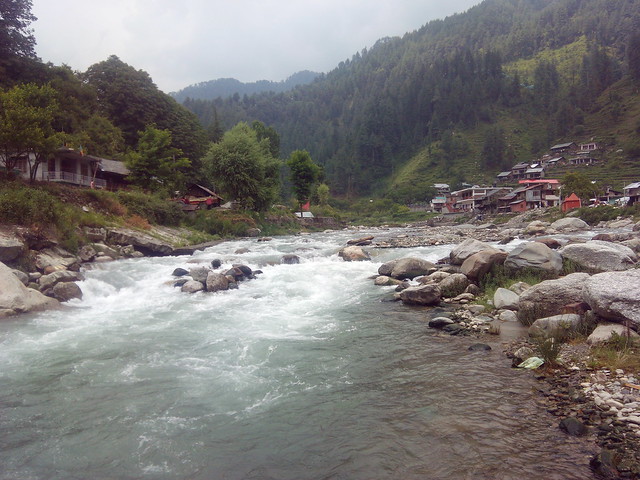
बरोट में उहल नदी
बरोट में उहल नदी 


Out of the eight most important religious places of Buddhism, six are in Uttar Pradesh and they are not far from Lucknow. We planned to visit Shravasti, a place out of these eight, in Dussehra vacations. Shravasti is small city situated about 170 km from Lucknow.

We left our home early morning. After some time, we were on the national highway far from the city surrounded by farms. The green fields on both sides of the roads looked like nature spread a green blanket on the earth. I thought to keep all the scenes in my memory. Even in early morning we saw villagers working in fields as if they have never experienced tiredness or it is their destiny to work even after being tired.  Travelling like this we reached Ramnagar. Situated on the banks of Ghaghra river, Ramnagar is a tehsil of Barabanki district. It is one of the most flood-prone areas of India. While going to Bahraich from Ramnagar, we crossed one kilometer long Ghaghra Bridge. From this bridge you can see 3695 m long Elgin Bridge on the Barabanki-Gonda railway section, which was built in 1912. We had to go to Tilakpur from Bahraich and then leave for Shravasti.

Shravasti is a very old city. In ancient times, it was the capital of Kaushal Kingdom and was one of the six biggest cities in ancient India. For 24 years, Lord Buddha lived here during rainy season. It was an emerging knowledge centre during Gupta dynasty rule. There are two main areas in Shravasti – Sahet and Mahet. While coming from Bahraich side, Sahet comes first. It is spread over 400 acres and has many places of archeological importance.

Famous Jetavana monastery is also located in Sahet, little outside the main city. In ancient times, it was a very beautiful monastery. Here many vinayas, jatakas, and sutras were written. Today most of that are in ruins but a good maintenance makes the place still beautiful. On both sides of the entrance gate, there are columns 21 meters high, installed on the orders of King Ashoka. After adopting Buddhism, Ashoka traveled many Buddhist places including Shravasti. After travelling further 200 metres from the entrance, a nice fragrance of incense sticks was coming from a place. It was Anand Bodhi tree. It is considered holiest tree after Maha Bodhi tree at Gaya, Bihar. Few Sri Lankan monks told us about its significance. Legend says that this tree came from a seed of original Bodhi tree and it was planted here by Buddha's favourite disciple Anand. It was very inspiring to stand under the shadow of Bodhi tree, a witness to many ups and downs of the history. There were colorful paper flags around the tree, put by foreign tourists. 

Jetavana monastery was built by Sudatta, a disciple of Buddha, who was a rich merchant. Sudatta took this land on which monastery is built from Jeta, son of King Prasenjit, after many difficulties. In Jetavana, there are 6 Buddhist temples, 5 Stupas, and 2 Viharas. A Buddhist temple named Gandhakuti is most revered, because legend says that Lord Buddha stayed here for 24 rainy seasons. There were too many foreign tourists in Jetavana easily spotted in yellow-saffron outfits, mostly from south-east Asia and Sri Lanka.

After leaving Jetavana, we proceeded to Angulimal's cave situated nearby. Near this cave Lord Buddha changed the course of life of a much feared robber, Angulimal. Most of the cave was ruined. In first cave there was a narrow tunnel opening from front. We went inside crawling. From inside, it was a square shaped place equal in area to a small room. Probably this was the place where Angulimal lived. For exiting from this place there was one more narrow tunnel opening on rear side of the cave. The second cave had no tunnels, one could go inside only after climbing steps. In those times, these caves were situted in dense forests as legends say but this is hardly the situation nowadays.

We started travelling towards Mahet which is situated 500 meters from away from Sahet. Mahet is situted at the site of the original ancient city. Situated on the banks of river Rapti, one can see the ruins of the ancient city in Mahet. The other attraction in Mahet is World Peace Bell, known commonly as Peace Bell. It is huge in size weighing many quintals. This was gifted by Japanese people as a message of peace. A five feet long wooden log bound by iron shackles is used to ring this bell. Local people do not consider this less than a temple and come here on Tuesday and Thursday. 

Today ruins of a boundary made up of rock and clay encircle the city, signifying the historic and spiritual significance of the city. During excavation, many rock inscriptions and idols were found which are kept in museums at Mathura and Lucknow. Although Buddhism originated in India,  but today most of its adherents are outside India. Even today when I remember this trip, only one thing comes to the mind - Buddham Sharanam Gachchhami.