When the train started running, a young child of our fellow passenger sitting in the direction opposite to that of moving train said, "Mommy, mommy, train peechhe ja rahi hai.” (Mom, the train is moving backwards.) I could not stop smiling. Such is the innocence of the childhood. Thus started our journey. In the morning, little before reaching to Kotdwar, I stood by the gate of coach of the train. The chilly air and the small bushes alongside railway lines were best suited for that place. This was the perfect start of that morning.
Lansdowne is a quiet, small town situated in the dense cover of chir and deodar trees in Pauri Garhwal district of Uttarakhand. Some 250 km from Delhi, Lansdowne houses the Garhwal Rifles Regimental Centre. Lansdowne traces back its history to the colonial period. It was founded in 1887 and named after then Viceroy of India, Lord Lansdowne and was used as the recruiting centre of the Garhwal Rifles of British Indian Army. Before that it was known as Kaludanda, after Kalu, meaning black and Danda, meaning hill. One can reach Lansdowne via Kotdwar which is well connected by roads and railways. From kotdwar private cabs can be booked or a shared taxi can be taken.
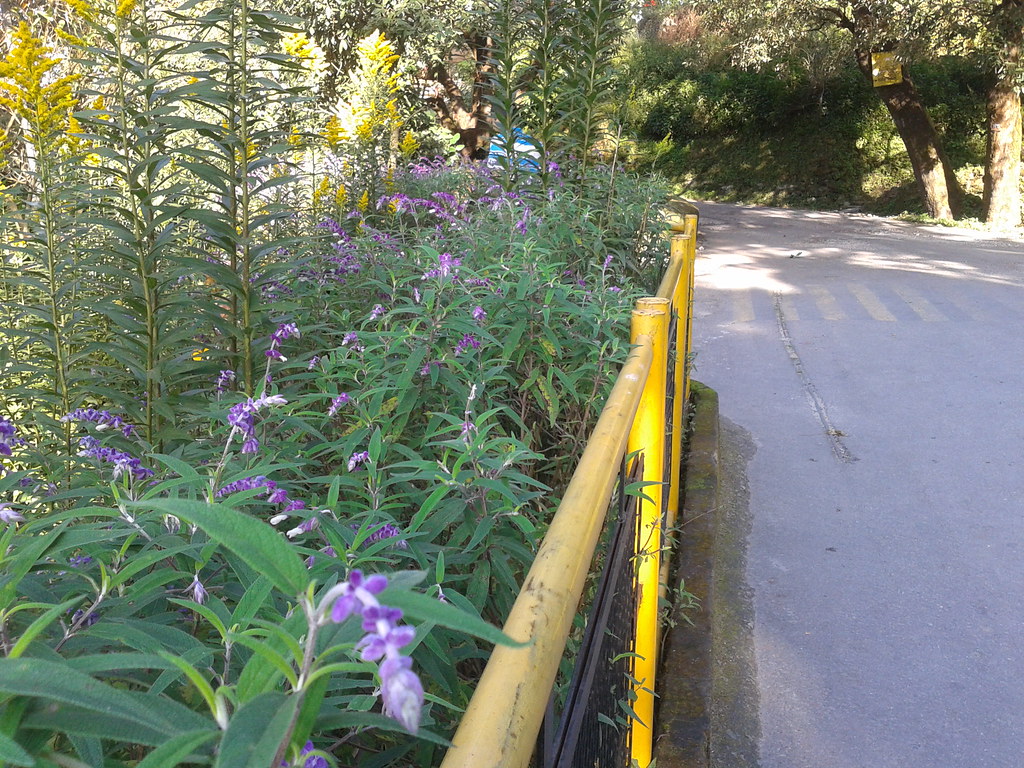
The road to Lansdowne from Kotdwar is a treat to view. Initial stretch runs parallel to the river Khoh which is thought to have given the name Kotdwar, gateway to the Khoh, to the town. On the far side of the river, one can see wild elephants, if one is lucky enough, as told to us by a local person travelling with us. The weather was very welcoming and with increasing heights, it became more pleasant. We reached Lansdowne at around 8 in the morning when Lansdowne was slowly waking up. (Also see Lansdowne in Pics.)
Local residents were very warm hearted, one must say. As a true vagabond, we did not have any prior arrangement of accommodation and so had to settle with a hotel near the main market. It is advised that one should book a hotel in advance if one has to stay at a place away from the town center as during weekends the hotels get occupied fast.
The first place we visited was Darwan Singh Sangrahalaya, named after Darwan Singh Negi who received Victoria Cross, the prestigious award given to soldiers of British forces, for his bravery in First World War. The museum was situated near Parade Ground and War Memorial, built in the memory of soldiers who lost their lives in First World War. The Parade ground made me think that where did I see a plain ground so large in the mountains before this one. The museum shows the colorful history of Garhwali people, through their traditional dresses, various percussion instruments and nearby places of historical and mythological importance to visit. The museum also records the history of Garhwal Rifles in pictures of its decorated officers and soldiers, shows seized belongings of the enemy army and describes its role in various wars that The Empire and the independent India fought. We also saw the collection of weapons representing a long span of history and also the military uniforms that changed with time.
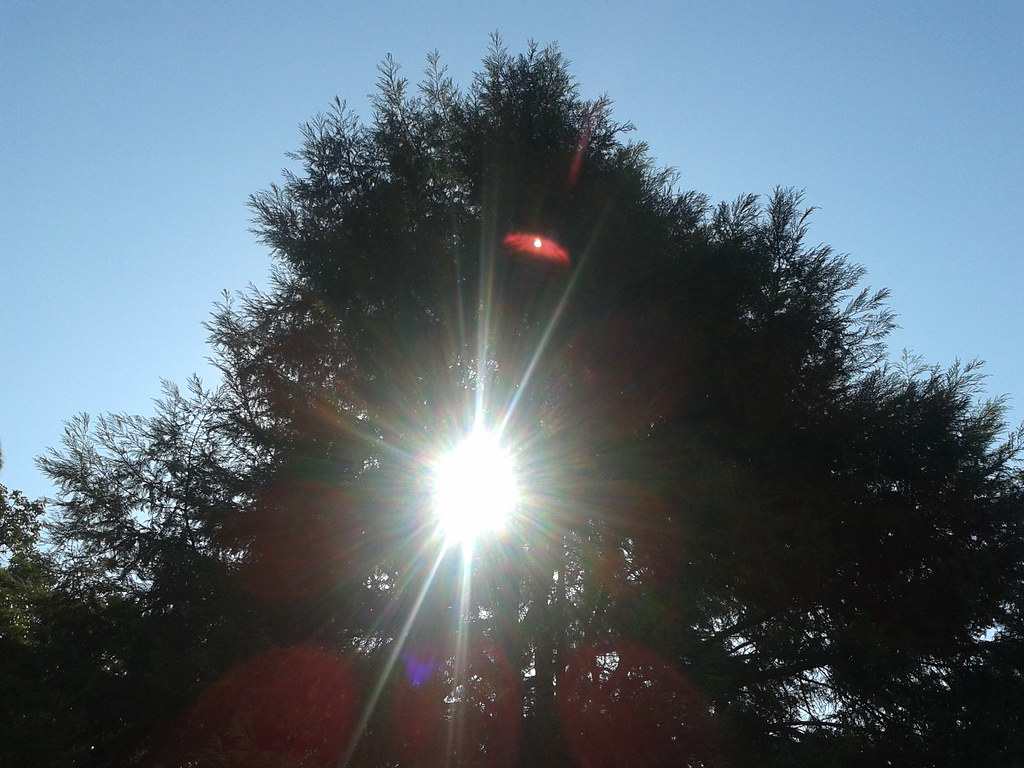
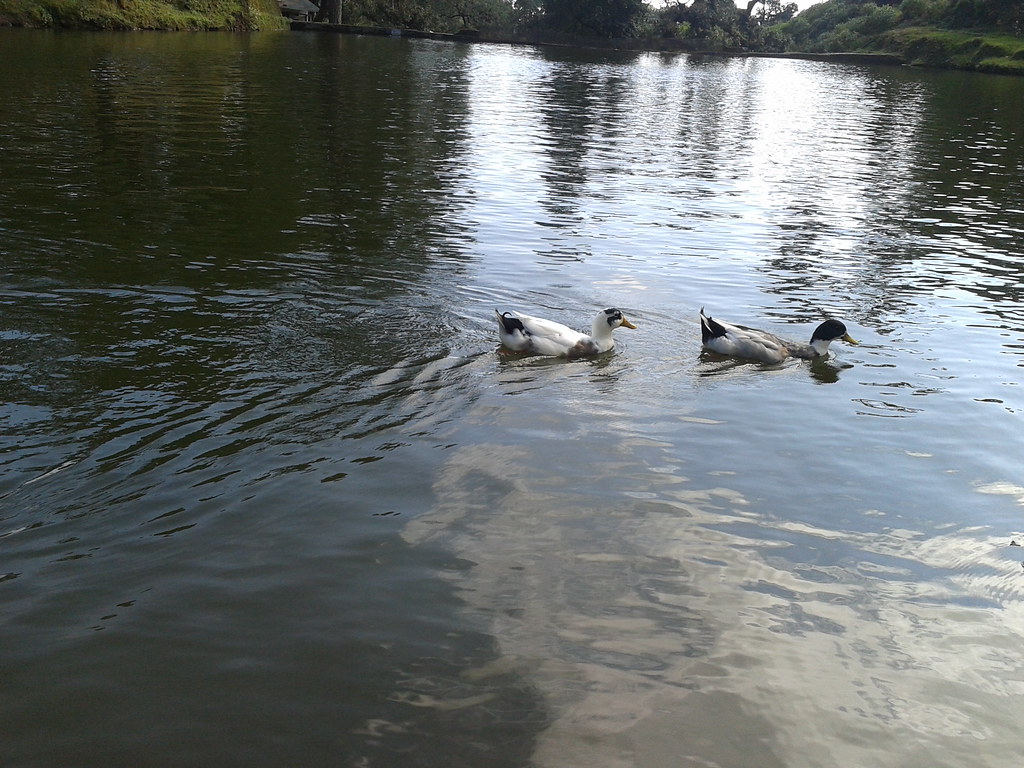
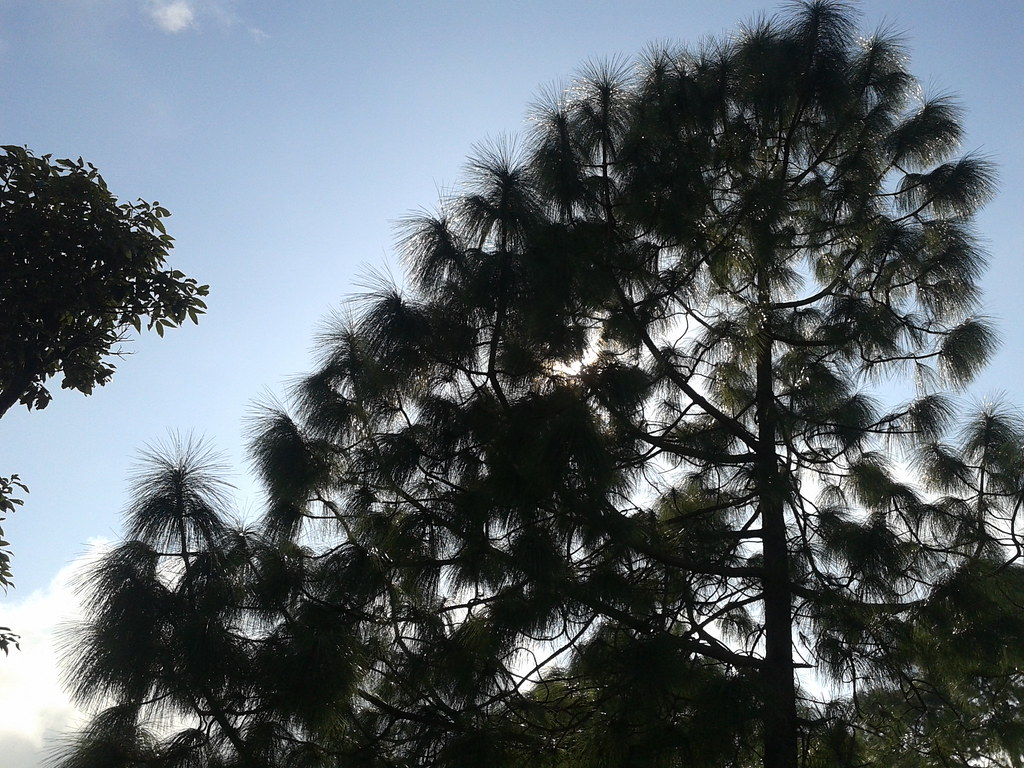
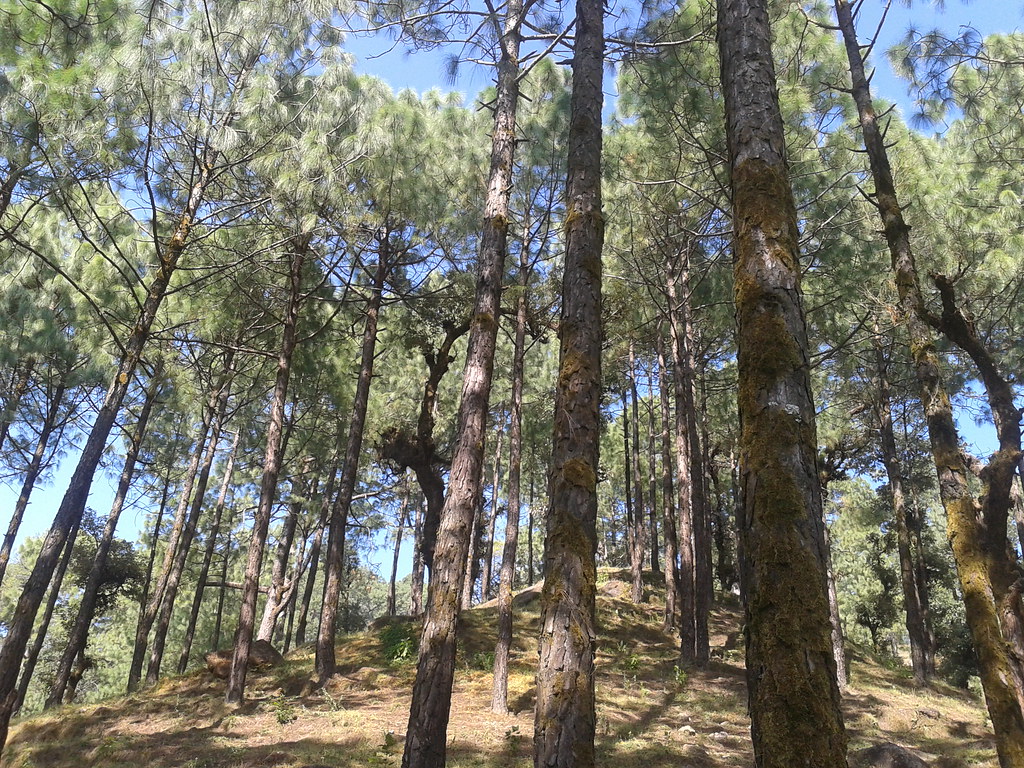
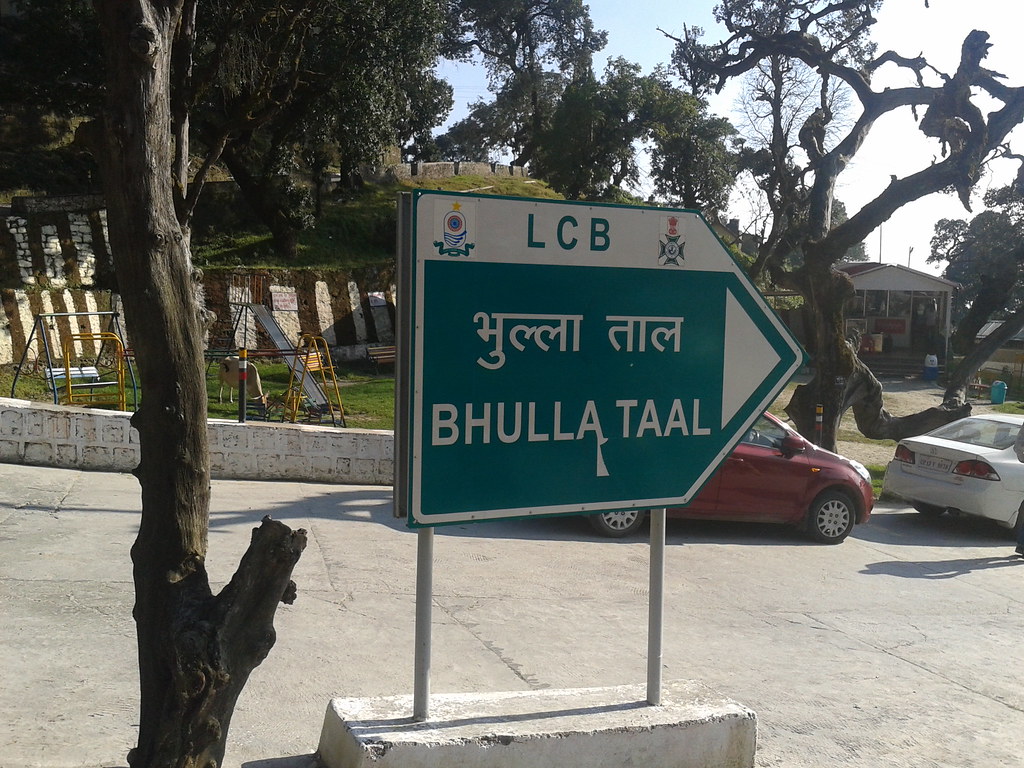
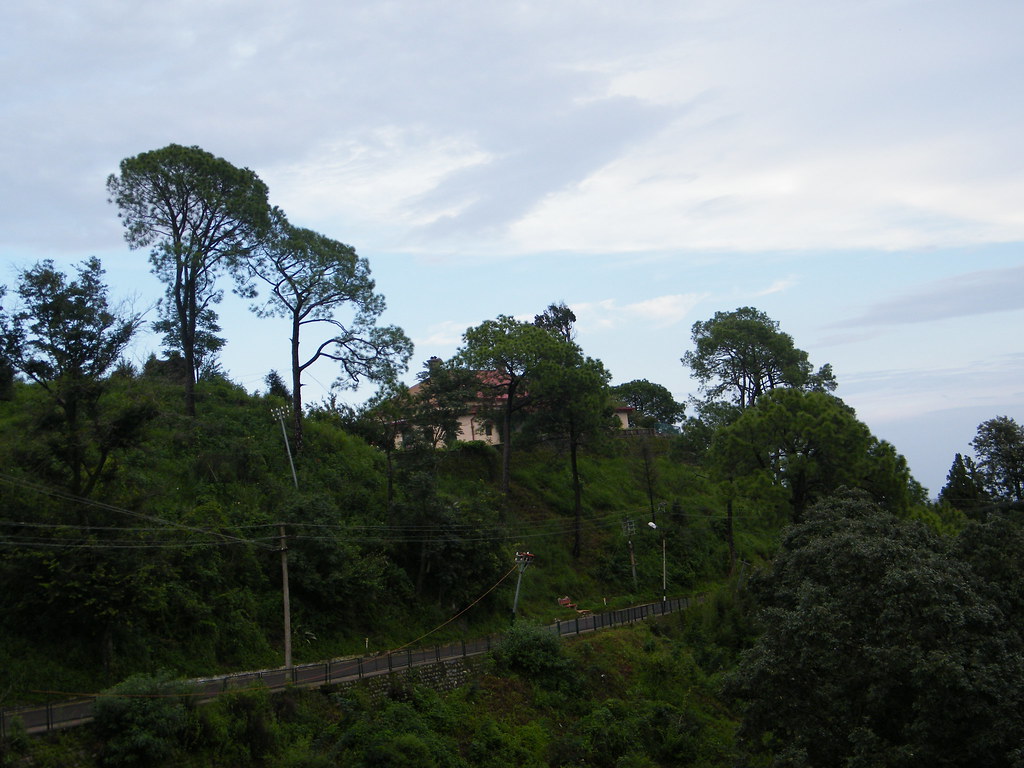
Then we went to Bhulla Tal, a manmade lake situated little away from the Gandhi Chowk, the centre of town. We sat there watching the ducks roaming in water, whose stillness was disturbed by winds and boats. Near the lake was a place where rabbits and guinea pigs were kept. They looked cute while eating grass and moving here and there in their ward. Then we stumbled upon something interesting. A bottle was kept there with injections and the description on the bottle read that it was used as the stress buster for these little animals. Maybe they also need the stress relieving drugs in such fast paced life of their own. Beyond the Bhulla Tal, there was a place which was serene, lonely and beautiful, surrounded by tall chir pine trees. We sat there for some time looking at distant hills, the road below and the valley further below. Those trees with blue sky in the background made a perfect picture.
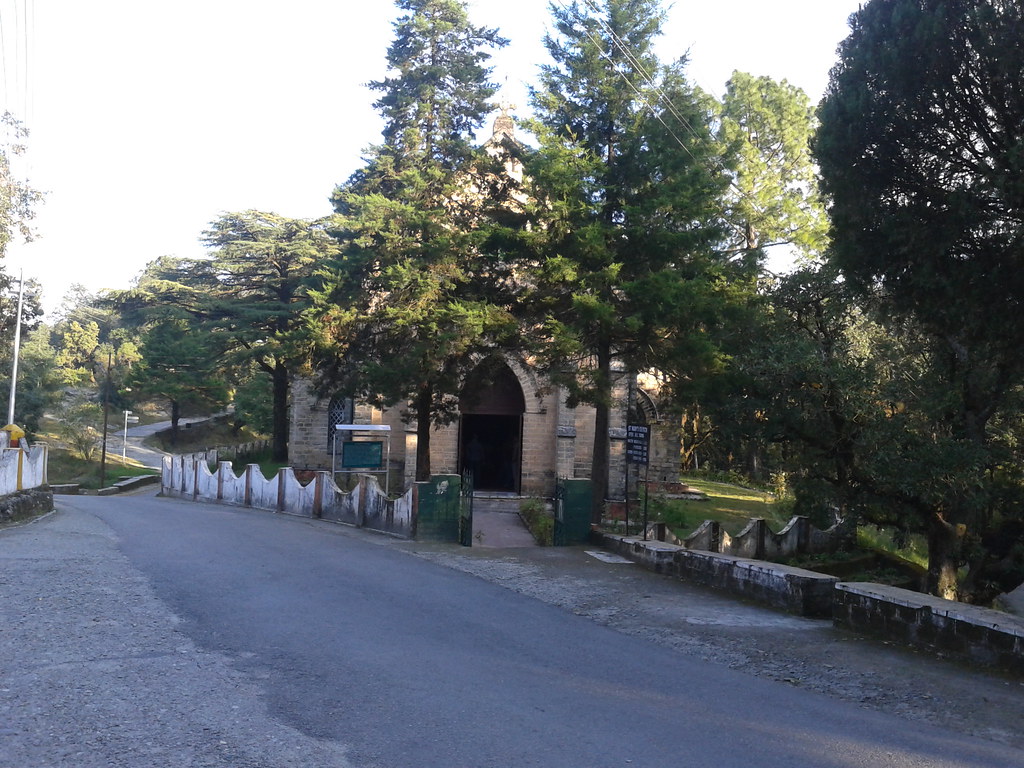
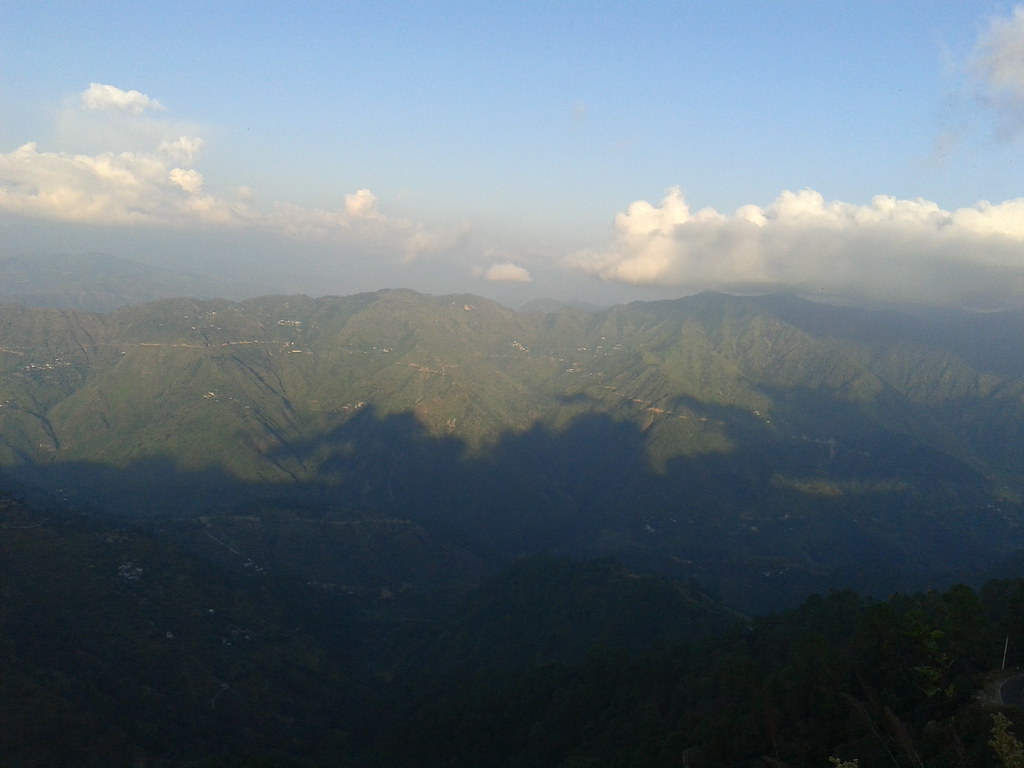
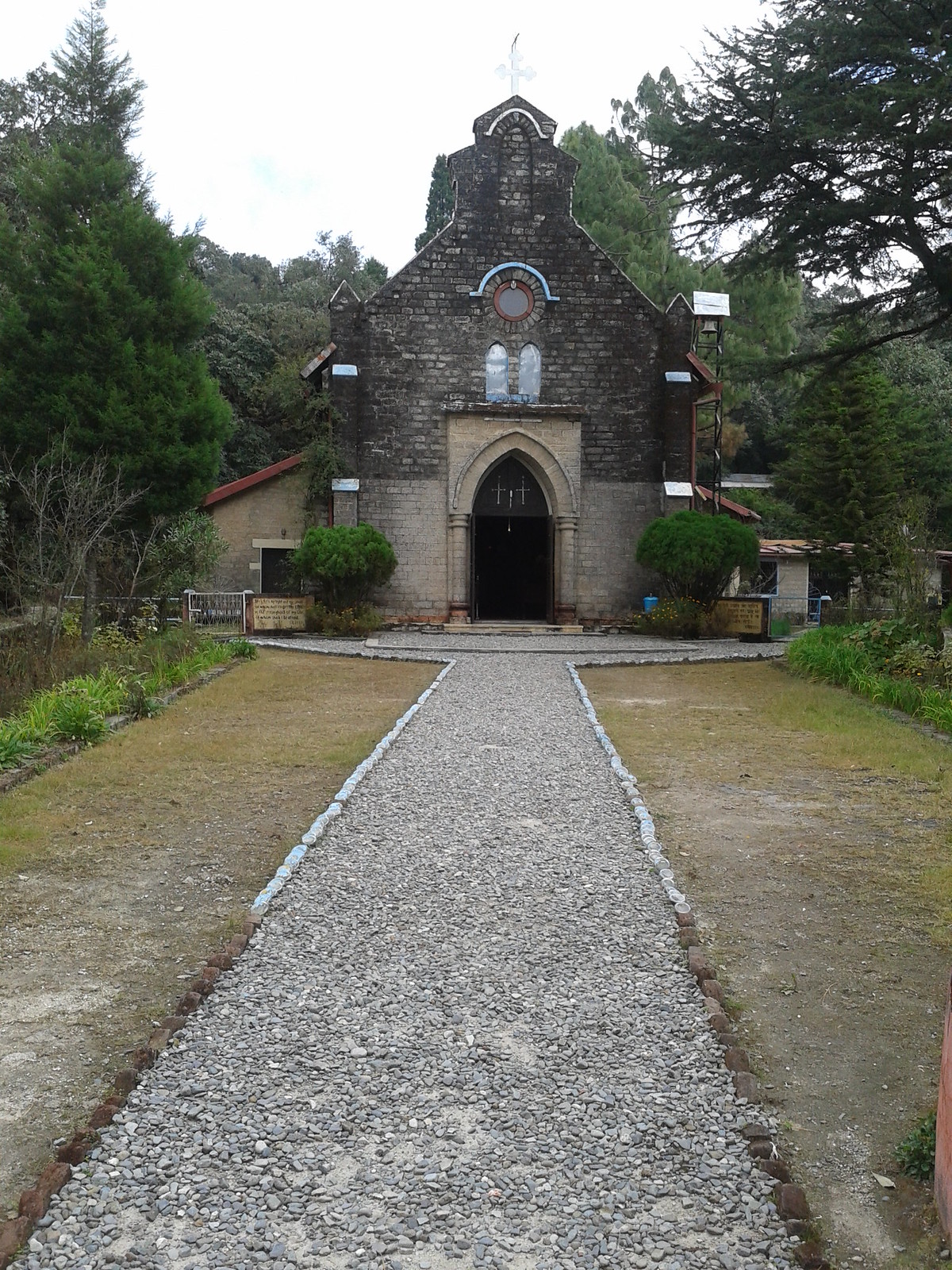
We came back again to the lake and had lunch there. Then we started walking for Tip-in-Top. On our way found St. Mary’s Church, which was constructed in the late 1890s. This protestant church is now maintained by Garhwal Rifles. Here you can find booklets on the history of Garhwal Rifles up for sale. There were historical accounts of this church described by few posters. On a round poll in the middle of the church, these lines were written, “Suffer little children to come unto me”, which sounded very similar to me to what Krishna said to Arjuna in Gita. We marched ahead and reached Tip-in-Top. It was a little platform erected for site-seeing. We could see hills, valleys, small villages on the hilly slopes and roads like ropes. Close to Tip-in-Top are tree huts, a tourist rest house by Garhwal Mandal Vikas Nigam Limited, ideal for a stay with the perfect natural view.
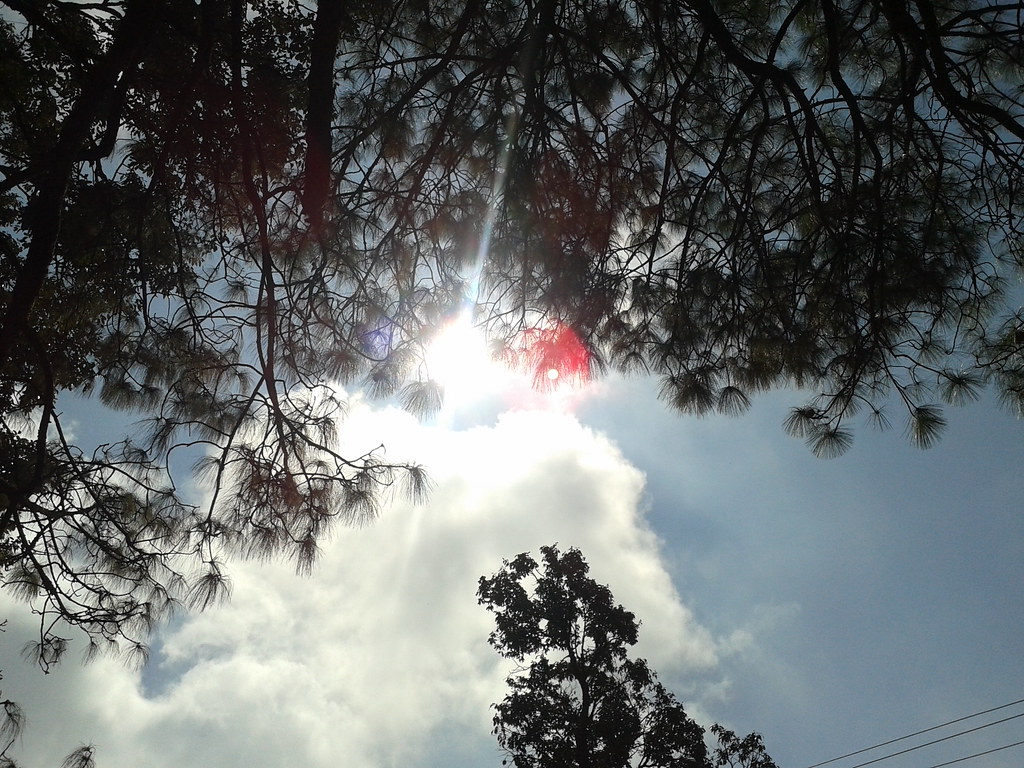
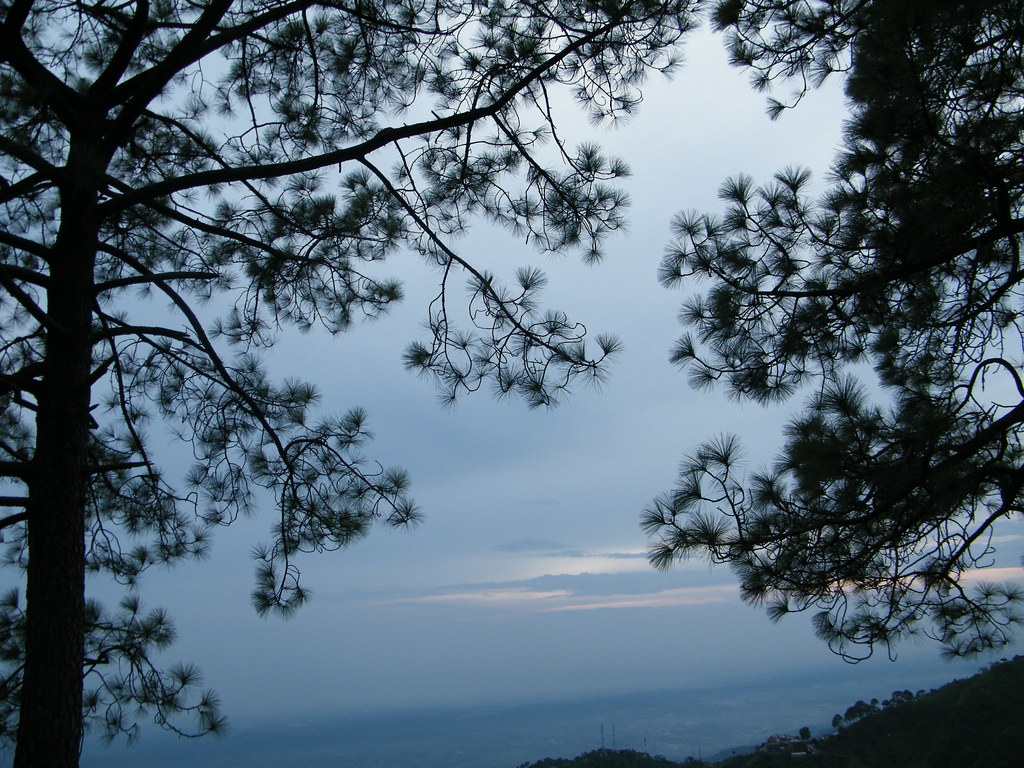
Then we went to Santoshi Mata Mandir, a small temple located on a hill top. Maintained by the Army, nice bhajans were being played there. One has to give credit to Garhwal Rifles for taking care of churches and temples and ensuring that this little town does not lose its beauty. The sunset view from Mandir was awesome. With the sun playing hide and seek with clouds, it was the perfect time to click few pictures.
After that, we came back to Gandhi Chowk and went to a small theatre there to watch a movie. The hall was small and very few people were there, hardly ten. After the movie, it was time for Dussehra celebrations. We mingled readily in the crowd. Considering that it was a small town, there was a huge crowd and it seemed that whole town came to watch the celebrations. When the organizers had some difficulty with burning the effigy of Ravana, because of dew, someone behind me in the crowd said, "We cannot burn Ravana. What will the tourists think of us?" We could not stop laughing. The firework was like fireflies moving with stars in the background. You cannot see these many stars in cities because of lights. what to say about the local bands playing some traditional song? I still love these bands as much as I loved them as a child.
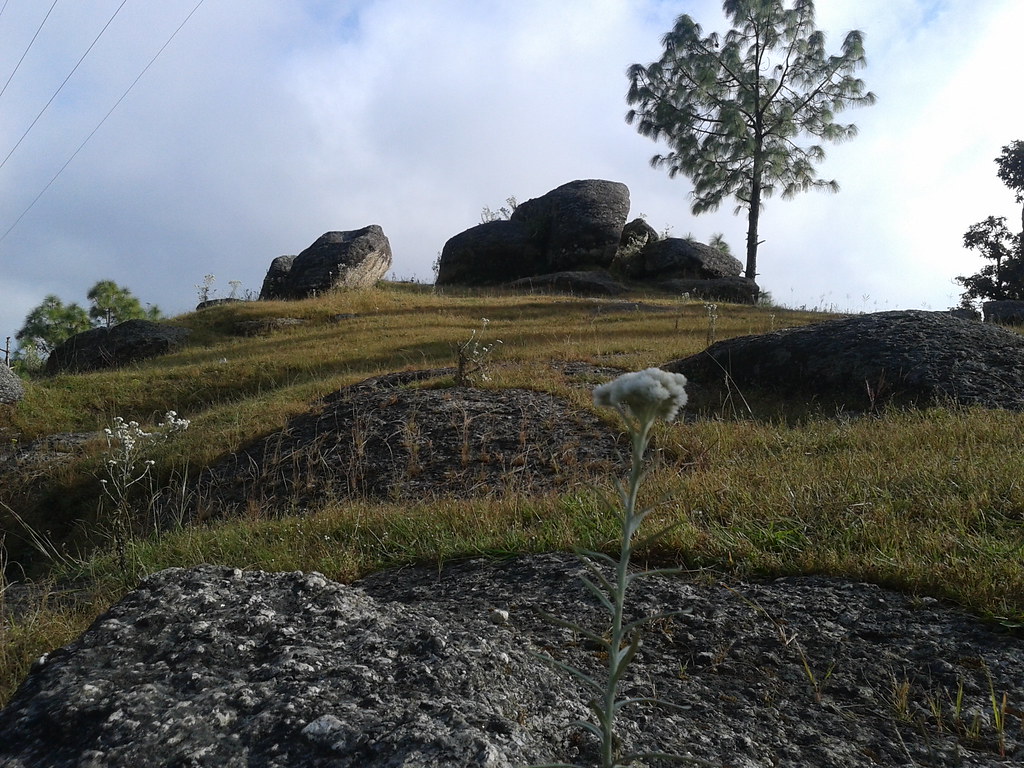
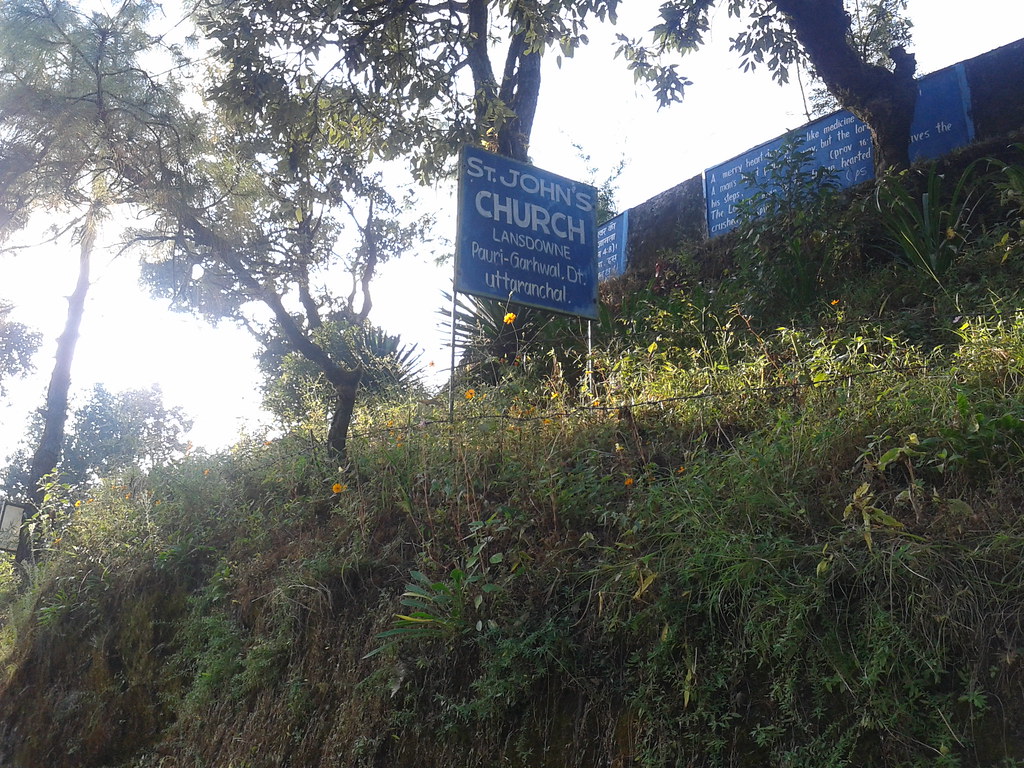
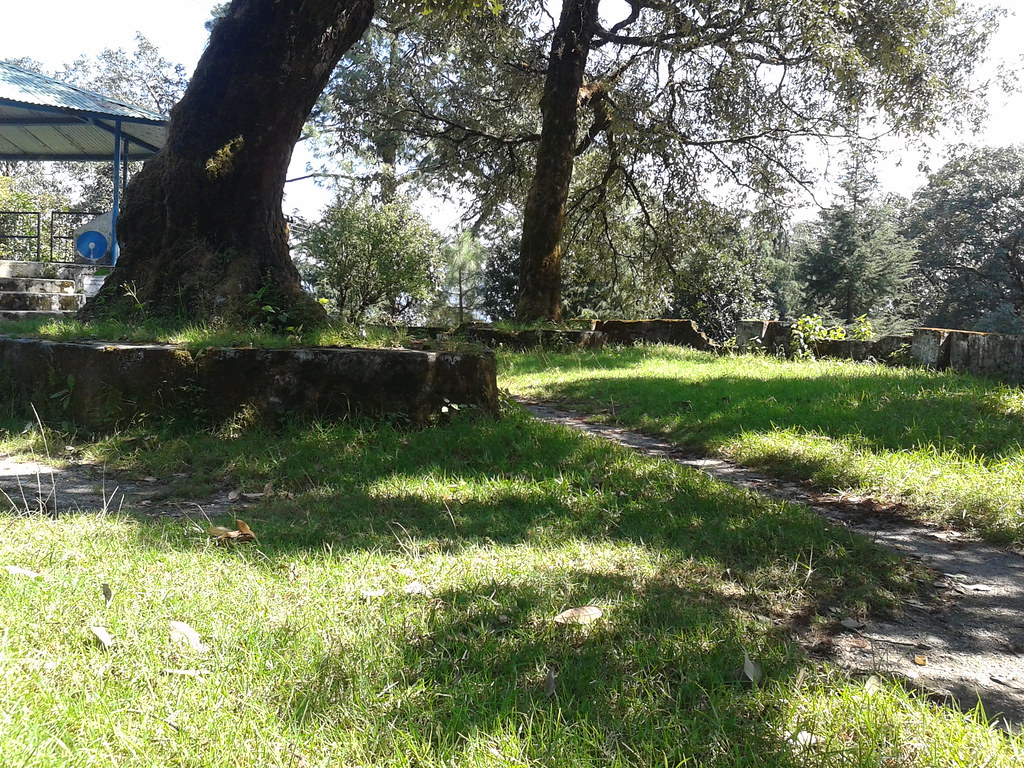
Next day we went to St. John’s Church, a catholic one under the aegis of Diocese of Bijnor. It was elegantly built with its history dating back to 1937. It was a peaceful place. We sat there for a while. The small town of Lansdowne was built in characteristic British architecture. The officers’ bungalows, the church facades, benches in churches were beautifully designed and simple in their appearance. There was one place where we could not go because we had to catch the train. It was Bhim Pakora. We inquired about this place from locals who said that according to legends, while living in exile, Pandavas came to this place. Bhim picked one rock and kept it over another. Today this rock can be moved with one's finger’s touch but it does not topple.
We wandered in the jungles and then decided to go off the road, down in the valley. The greenery of the valley was very pleasing and sitting there, one would be tempted to get lost somewhere. The place was so quiet that you could hear birds chirruping and sound of leaves when winds move touching them. And all that with cold winds going past you reminding you to enjoy these moments to the fullest.
Lansdowne is a quiet, small town situated in the dense cover of chir and deodar trees in Pauri Garhwal district of Uttarakhand. Some 250 km from Delhi, Lansdowne houses the Garhwal Rifles Regimental Centre. Lansdowne traces back its history to the colonial period. It was founded in 1887 and named after then Viceroy of India, Lord Lansdowne and was used as the recruiting centre of the Garhwal Rifles of British Indian Army. Before that it was known as Kaludanda, after Kalu, meaning black and Danda, meaning hill. One can reach Lansdowne via Kotdwar which is well connected by roads and railways. From kotdwar private cabs can be booked or a shared taxi can be taken.
The road to Lansdowne from Kotdwar is a treat to view. Initial stretch runs parallel to the river Khoh which is thought to have given the name Kotdwar, gateway to the Khoh, to the town. On the far side of the river, one can see wild elephants, if one is lucky enough, as told to us by a local person travelling with us. The weather was very welcoming and with increasing heights, it became more pleasant. We reached Lansdowne at around 8 in the morning when Lansdowne was slowly waking up. (Also see Lansdowne in Pics.)
Local residents were very warm hearted, one must say. As a true vagabond, we did not have any prior arrangement of accommodation and so had to settle with a hotel near the main market. It is advised that one should book a hotel in advance if one has to stay at a place away from the town center as during weekends the hotels get occupied fast.
The first place we visited was Darwan Singh Sangrahalaya, named after Darwan Singh Negi who received Victoria Cross, the prestigious award given to soldiers of British forces, for his bravery in First World War. The museum was situated near Parade Ground and War Memorial, built in the memory of soldiers who lost their lives in First World War. The Parade ground made me think that where did I see a plain ground so large in the mountains before this one. The museum shows the colorful history of Garhwali people, through their traditional dresses, various percussion instruments and nearby places of historical and mythological importance to visit. The museum also records the history of Garhwal Rifles in pictures of its decorated officers and soldiers, shows seized belongings of the enemy army and describes its role in various wars that The Empire and the independent India fought. We also saw the collection of weapons representing a long span of history and also the military uniforms that changed with time.
Then we went to Bhulla Tal, a manmade lake situated little away from the Gandhi Chowk, the centre of town. We sat there watching the ducks roaming in water, whose stillness was disturbed by winds and boats. Near the lake was a place where rabbits and guinea pigs were kept. They looked cute while eating grass and moving here and there in their ward. Then we stumbled upon something interesting. A bottle was kept there with injections and the description on the bottle read that it was used as the stress buster for these little animals. Maybe they also need the stress relieving drugs in such fast paced life of their own. Beyond the Bhulla Tal, there was a place which was serene, lonely and beautiful, surrounded by tall chir pine trees. We sat there for some time looking at distant hills, the road below and the valley further below. Those trees with blue sky in the background made a perfect picture.
We came back again to the lake and had lunch there. Then we started walking for Tip-in-Top. On our way found St. Mary’s Church, which was constructed in the late 1890s. This protestant church is now maintained by Garhwal Rifles. Here you can find booklets on the history of Garhwal Rifles up for sale. There were historical accounts of this church described by few posters. On a round poll in the middle of the church, these lines were written, “Suffer little children to come unto me”, which sounded very similar to me to what Krishna said to Arjuna in Gita. We marched ahead and reached Tip-in-Top. It was a little platform erected for site-seeing. We could see hills, valleys, small villages on the hilly slopes and roads like ropes. Close to Tip-in-Top are tree huts, a tourist rest house by Garhwal Mandal Vikas Nigam Limited, ideal for a stay with the perfect natural view.
Then we went to Santoshi Mata Mandir, a small temple located on a hill top. Maintained by the Army, nice bhajans were being played there. One has to give credit to Garhwal Rifles for taking care of churches and temples and ensuring that this little town does not lose its beauty. The sunset view from Mandir was awesome. With the sun playing hide and seek with clouds, it was the perfect time to click few pictures.
After that, we came back to Gandhi Chowk and went to a small theatre there to watch a movie. The hall was small and very few people were there, hardly ten. After the movie, it was time for Dussehra celebrations. We mingled readily in the crowd. Considering that it was a small town, there was a huge crowd and it seemed that whole town came to watch the celebrations. When the organizers had some difficulty with burning the effigy of Ravana, because of dew, someone behind me in the crowd said, "We cannot burn Ravana. What will the tourists think of us?" We could not stop laughing. The firework was like fireflies moving with stars in the background. You cannot see these many stars in cities because of lights. what to say about the local bands playing some traditional song? I still love these bands as much as I loved them as a child.
Next day we went to St. John’s Church, a catholic one under the aegis of Diocese of Bijnor. It was elegantly built with its history dating back to 1937. It was a peaceful place. We sat there for a while. The small town of Lansdowne was built in characteristic British architecture. The officers’ bungalows, the church facades, benches in churches were beautifully designed and simple in their appearance. There was one place where we could not go because we had to catch the train. It was Bhim Pakora. We inquired about this place from locals who said that according to legends, while living in exile, Pandavas came to this place. Bhim picked one rock and kept it over another. Today this rock can be moved with one's finger’s touch but it does not topple.
We wandered in the jungles and then decided to go off the road, down in the valley. The greenery of the valley was very pleasing and sitting there, one would be tempted to get lost somewhere. The place was so quiet that you could hear birds chirruping and sound of leaves when winds move touching them. And all that with cold winds going past you reminding you to enjoy these moments to the fullest.
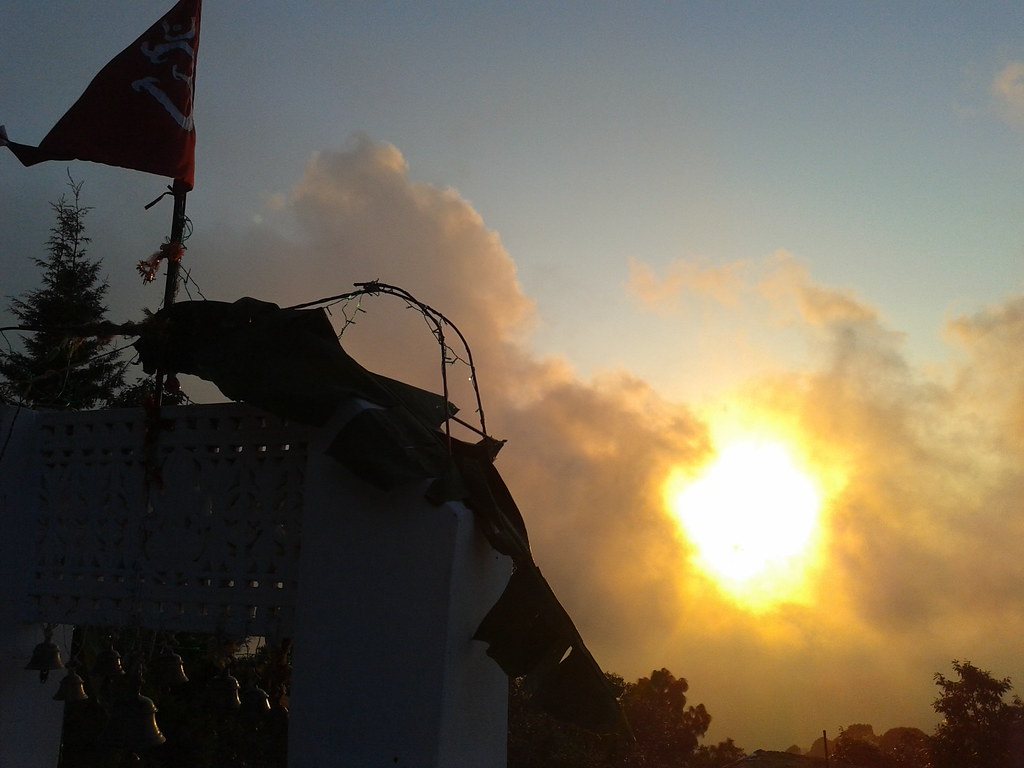 |
| The sunset in Lansdowne. |