नदिया चले, चले रे धारा

हर बार हिमालय की गोद में आकर कल-कल बहते हुए पानी को देखकर वैसे तो बहुत कुछ सीखने को मिलता है, लेकिन ऐसा कुछ है जो कि मन में बस सा गया है। अगर आपने कानपुर और वाराणसी में गंगा के पानी को देखा होगा तो आपको जरूर हृषिकेश में गंगाजल की याद आई होगी, जहाँ पर आप नदी का तल देख सकते हैं, पानी इतना स्वच्छ है। थोड़ा आगे जाकर आपने दूर से देवप्रयाग में भागीरथी और मन्दाकिनी के संगम को भी देखा होगा, जहाँ एक मटमैली धारा एक हरे रंग की धारा के साथ मिलती है। देहरादून जाते समय पथरीली घाटी भी दिखाई दी होगी, जो वैसे तो पूरे साल सूखी रहती है लेकिन बरसात में रौद्र रूप धारण कर लेती है। कसोल में पार्वती नदी को देखकर बस एक ही चीज मन में आती है कि नदी के उस पार तैरकर जाना संभव भी है क्या। और देवरिया ताल में छोटी सी झील को देखकर महाभारत काल में चले जाना स्वाभाविक है क्योंकि मान्यताओं के अनुसार इसी झील के किनारे यक्ष ने युधिष्ठिर से प्रश्न किये थे।

ये हिमालय से निकलने वाली धाराएं कोई सामान्य धाराएं नहीं हैं और जैसा कि मैंने पहले भी ‘नदी बहती रही’ में कहा है कि मनुष्य के जीवन और नदी के बहाव में अत्यधिक समानताएं हैं। जैसे मनुष्य अपने बाल्यकाल में शरारती स्वाभाव का होता है जिसे संसार के किसी भी दुःख दर्द की परवाह नहीं होती है और जिसका दिन खेलते कूदते हुए ही बीत जाता है उसी प्रकार नदी भी कंकरीली पथरीली भूमि पर बहते हुए उछलती कूदती हुई चली जाती है। जब मनुष्य परिपक्व हो जाता है उसके स्वभाव में एक गंभीरता आ जाती है, उसके निर्णयों में एक सोच समझ झलकती है उसी प्रकार नदी भी जब मैदानी भागों में प्रवेश करती है तो उसकी गति मंद पड़ जाती है मानों उसे जिम्मेदारियों के बोझ तले दबा दिया गया हो। जब मनुष्य वृद्धावस्था में प्रवेश करता है तो उसकी शक्ति क्षीण हो जाती है और ब्रह्मलीन होने के पहले उसका मन कई दिशाओं में भटकता रहता है। ठीक उसी प्रकार नदी भी सागर के पास पहुँचते पहुँचते बहुत धीमी हो जाती है, बीच में कई टापू उभर आते है और कई शाखाओं में बँट जाती है।

मनुष्य का जीवन हमेशा एक रूप में ही थोड़े ही रहा है। कभी तेज तो कभी धीमा। कभी प्रखर तो कभी समझौतावादी। कभी प्रयत्नशील तो कभी भाग्यवादी। कहीं जीत तो कहीं हार। कभी झुकना तो कभी फिर उठना। वैसे ही पानी को भी कई बार रूपांतरण करना पड़ा है। कभी बर्फ बनकर पहाड़ों पर थम गया तो कभी झरना बनकर बार बार पत्थर के विवेक पर चोट की है। कभी खेतों को सींचने के लिए थम गया तो कभी पहाड़ों को हिला देने वाली गति से चल उठा। कभी बाँध बनाकर इसे रोक दिया गया तो कभी भूस्खलन में पूरे पहाड़ आकर इसके कलेजे में धंस गये। कभी भगवान शंकर की जटा में बैठ गया तो कभी आंसू बनकर लोगों की भावनाओं की अभिव्यक्ति का साधन बना। और रैदास ने तो कहा भी है कि ‘तुम चन्दन हम पानी’ जिसमें उन्होंने पानी को सब कुछ आत्मसात करने वाला बता दिया है।

तो जब हरिद्वार में हर की पौड़ी में चण्डी देवी को निहारते हुए गंगा किनारे बैठकर सोचता हूँ कि इस बार इस आत्म मंथन से क्या लेकर जाऊंगा तो मैं सोचता हूँ कि जिंदगी में इतने अनगिनत पड़ाव आते हैं कभी सुख तो कभी दुःख झेलना पड़ता है। संसार में कितनी ही असफल जिंदगियाँ हैं, कितने ही दुर्गम रास्ते हैं और कितने ही अक्षम्य अपराध मनुष्य ने किये हैं जिसके कारण उसे हारकर बैठना पड़ता है। कितनी ही बार मनुष्य अनुत्तरीय प्रश्नों के आगे निरुत्तर रह गया है और बस अपने भाग्य को कोस कर रह गया है। कई बार क्या पाया है सोचने की बजाय क्या खोया ज्यादा सोचने लगता है। तो ऐसे में मैं फिर अविरल धारा की ओर आशा भरी नज़रों से देखता हूँ कि शायद यहाँ कोई जवाब मिल जाये।

और नदी की धारा ने मुझे यहाँ भी निराश नहीं किया। कितनी बार नदी की धारा को बाँध बनाकर मंद किया गया। अलग अलग धारायें निकालकर उसको क्षत-विक्षत किया गया। उसके किनारे मानव बस्तियाँ बसाकर उसको गन्दगी ढोने का एक साधन बना दिया गया। पूजा के नाम पर कितने फूलों पत्तियों को तोड़कर उसमें समाहित कर दिया गया। और तो और वर्षा की अति होने पर उसे हानि के लिए कोसा भी गया। मैंने पूँछा नदी से कि इतनी विपरीत परिस्थितियों के बाद कभी ऐसा नहीं लगता कि जीवन जिया ही क्यों जाये। नदी की एक छोटी सी धारा मेरे पैरों के पास रुकी और कहा कि कुछ भी घटित हो, आशातीत या आशानुरूप, जीवन निर्बाध रूप से चलता रहता है। इतना कहकर वह धारा फिर अपनी राह पर चल पड़ी।
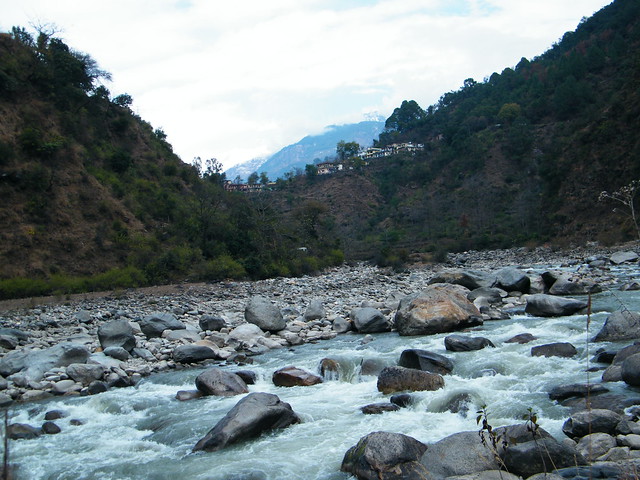

नदिया चले, चले रे धारा । तुझको चलना होगा ।
नदिया चले, चले रे धारा । तुझको चलना होगा । 


India: A History by John Keay is a meticulously researched and detailed book narrating Indian history since prehistoric times. While presenting the great and long story of India, Keay kept in mind that it should not get boring at any time and his style of storytelling is commendable. The use of maps and dynasty trees explains the points such as inheritance and expansion of a kingdom in detail. Still, this book is not a stereotypical academic history book where sunk in facts and data you will give away after some time. Neither it is an attempt to be politically correct, being used to propagate a point of view of any kind of a revisionist. Also, the author's habit of quoting from the whole spectrum of historians and also accommodating the views and justifications, from historians having views contrary to that of the author, made it one of the most neutral works on Indian history.
India : A History by John Keay
The book starts with the pre-Harappan times and takes into account the oldest creations of archaeological importance found in India such as paintings of Bhimbetka and those of Badami caves. As with the usual historian’s approach, these paintings were used to determine the level of evolution of the human race of that time. In the subsequent chapters, the author moves to Indus civilization and rates the achievements of the Indus Valley Civilisation at par with, if not above then, those of ancient Egyptian and Chinese civilizations. Sure they did not make anything like pyramids of Giza, but the elaborate urban plan with streets and water tanks was admired by historians. Evidence of trade links with Mesopotamia civilization can be found in abundance. The author gives many possible reasons for the decline of Harappan civilization but without full certainty about any of them. This decline would again convert the subcontinent to agrarian one where each village was more like a congregation of few families led by a person known as raja of that village.

Keay then moves to Vedic age and early kingdoms of Gangetic plains and present-day Pakistan and Afghanistan. Magadha would emerge as a center of Indian might and will continue to be like that for centuries. The start of foreign invasions on the subcontinent was also be discussed. He tells that not every time these invaders were disliked by the local populations. Sometimes they were invited by a king to defeat a neighboring kingdom. Many times these invaders settled here, had matrimonial alliances and would assimilate into the Indian culture, a template that would be followed for close to two millennia. Also constant would be the tales glorifying the richness of Indian subcontinent and thus in effect luring many tribes and clans to conquer India. Mauryan empire had the greatest extent and in that aspect rivaled by Mughals only many centuries later. Kingdoms in the subcontinent would continue fighting among themselves, sometimes taking help from a rival of rivals. Keay takes few Vedic concepts like 'Digvijay' where a king would try to conquer large swaths of lands in all direction i.e. enlarging his kingdom. Keay would draw a comparison with later events. Keay also discusses and finds a pattern in the dynastic succession of Mughals.

During all these centuries the concept of a nation-state was almost alien to Indians and it would be no exaggeration to say that these concepts were brought to India by Europeans. Starting as traders these European companies then became rulers and Britain would surpass other European countries like Portugal, Netherlands, and France as far as wealth acquired and territory ruled is concerned. During first 100 years, they promoted studies of Indian culture and history and would enact laws to abolish traditions such as Sati Pratha and legalize widow remarriage. These actions antagonized the masses. Still, it took them decades to realize that they are being ruled by a foreign power. Then happened the 'The First War of Independence' or 'Sepoy Mutiny,' after which the British Rule became more iron-handed, but such was the irony of India that the Raj would have an equal number of friends and foes in India. Towards the end of the nineteenth century, many people of a generation went to the UK to study and these people, most of them lawyers, acquainted with ideas like nationalism, equality, socialism, revolution, and democracy, would later pronounce the death verdict of the Raj. In Indian freedom struggle, we find a unique experiment in history in which Gandhi used satyagraha and civil disobedience against the Raj. After Independence and the Partition, three countries charted similar courses initially and then became much different from each other later.

I would accept that writing a history of 5000 years in a 600-page book will make few important events of history not getting the attention that they deserve but even in that condition Keay maintained the flow. His analysis of the period before 200 AD is interesting because few concrete proofs of dates and events are available and one has to rely on the rock edicts for any information about the reign of a king. The first part of the book was more interesting and newer as that period is scarcely covered and quoted in public discourse and even when done then in a highly exaggerated manner. The post-independence part is not only about India as the name of the book might suggest but is about the three successor countries and due importance has been given to events in Pakistan and Bangladesh.


Nearly 8 kilometers away from Dhanolti, lies the Surkanda Devi Temple on the top of a peak. Nearest point till one can get conveyance is Kaddukhal. Buses and Taxis are available from Chamba and Dhanolti to Kaddukhal. From Kaddukhal there is a steep trek of about two kilometers to reach Surkanda Devi temple. Seeing the horses which some people use to climb the hill made me remember a road in Kufri near Shimla that was so dirty because of these horses. To my surprise, the way to the Surkanda Devi temple was not full of horses and it was very clean.

Surkanda Devi Temple from Kaddukhal

Seeing the Temple from the gate makes the climb difficult. It looked like it was situated very high and very far. This can give you mixed feelings, first, of a task that is very difficult and second, of a challenge to achieve something that is very difficult. With those feelings, we started the climb. We would stop at many points to see the beautiful surroundings and also the road to Dhanolti where moving vehicles looked so small. Kaddukhal was a very small settlement as looked from the steps. Beyond those shops which give you items of worship there were few step farms. As with the human thinking of "The grass is greener on the other side", I wanted to be on those step farms which looked like they were so carefully constructed with few trees here and there. But before that, I had to complete the trek to the temple. 

View of Kaddukhal en route to Surkanda Devi Temple

With the lifestyle that we live of a sedentary worker, this climb was difficult and we had to rest few times. There were good arrangements for that and this also provided an opportunity to stop and look around and capture the shots. Seeing from there the clouds which were touching the other shorter peaks were looking as if they were originating from those peaks. Deep down between the two peaks we could spot few houses. In the next moment, clouds would block the view. That day the weather was so pleasant due to the presence of these clouds that we reached the temple in less than one hour without too much effort.

The legend behind Surkanda Devi temple is that while Lord Shiva was carrying the dead body of Sati after she jumped into the fire, her head fell at this place. That is why it was named Sarkanda which changed to Surkanda Devi with the passage of time. This was a small temple where an annual fair is held. We were thinking that how difficult it would be to reach the temple when snowfall begins and also how fabulous would it be to look, from the temple peak, 360 degree around covered in snow. We got to know from a board that we could see cities of Haridwar, Rishikesh, and Roorkee from there, but we could not do that because of thick clouds. 


While exploring the area nearby we went outside the temple from the other gate directed towards Chamba. This place was not crowded by pilgrims and tourists and we spent some time there playing hide and seek with clouds. We were standing on a peak and the valleys should have looked very deep from there but we could not see that because of ever-present black clouds. Sometimes sunrays appeared at the distant end like silver linings. 

Invitation to Kaudia Park

From Surkanda Devi temple we went to Kanatal, approximately 10 kilometers from there. On the internet, it was one of the famous destinations near Chamba, but there was not much to do apart from a jungle safari. This place must have been popularized by the Club Mahindra resort situated just outside the gates of Eco Park, Kaudia Range. We started our jungle trip after taking passes. It was a jungle trek of around 8 km to the hilly village of Kaudia. Initial stretch was covered with tall Deodar trees but as we went deeper into the jungle those long trees disappeared gradually and were replaced by the trees of all shapes and size. We were very hopeful of seeing snowy peaks from the jungle as suggested by the local people but could not get that too because of clouds. 

Deep inside Eco Park, Kaudia

Now deep into the jungle, going up and down with sometimes barely a foot-wide path, meeting small water streams, we kept on moving towards Kaudia. We could not meet any person, no wildlife creature could be spotted except occasional chirruping of the birds. There we thought that we should at least had a small knife or a torch for our safety. Moving on we saw trees with strange shapes, leaves with interesting colors. There came a moment when it was so dark that in photographs only outline of a person could be recognized. We estimated the time it would take us to reach Kaudia and then come back to the main road and that did not allow us to complete the trek. We abandoned the jungle safari midway and left for the Haridwar via Chamba. 


गुनाहों का देवता उपन्यास की गिनती हिंदी साहित्य जगत में उन रचनाओं में होती है जिन्होंने साहित्य की धारा को ही एक नया मोड़ दिया है। प्रथम प्रकाशन के 65 साल बाद भी यह सबसे ज्यादा मांग में रहने वालों उपन्यासों में से एक है और स्वयं के अनुभव से कह सकता हूँ कि जब मैंने दोस्तों को दिलाने के लिए पता किया तो ऐसा दो बार हो चुका है कि इसकी सभी प्रतियाँ बिक चुकी थीं और वितरक नए संस्करण या पुनर्प्रकाशन के आने की प्रतीक्षा कर रहे थे। इतने वर्ष के बाद भी अगर यह उपन्यास लोगों की निगाहों में बना हुआ है तो इसमें कुछ तो बात होगी और सचमुच प्रेम का इतना प्राकृतिक और वास्तविक वर्णन मैंने और कहीं नहीं पढ़ा और कहीं नहीं सुना। उपन्यास के शुरुआत में ही भारती जी कहते हैं कि "मेरे लिए इस उपन्यास का लिखना वैसा ही रहा है, जैसा पीड़ा के क्षणों में पूरी आस्था से प्रार्थना करना और इस समय भी मुझे ऐसा लग रहा है, जैसे मैं प्रार्थना मन ही मन दोहरा रहा हूं, बस।"

धर्मवीर भारती द्वारा रचित गुनाहों का देवता
इस कहानी का ठिकाना अंग्रेज ज़माने का इलाहाबाद रहा है। कहानी के तीन मुख्य पात्र हैं : चन्दर , सुधा और पम्मी। पूरी कहानी मुख्यतः इन्ही पात्रों के इर्दगिर्द घूमती रहती है। चन्दर सुधा के पिता यानि विश्वविद्यालय के प्रोफेसर के प्रिय छात्रों में है और प्रोफेसर भी उसे पुत्र तुल्य मानते हैं। इसी वजह से चन्दर का सुधा के यहाँ बिना किसी रोकटोक के आना जाना लगा रहता है। धीरे धीरे सुधा कब दिल दे बैठती है, यह दोनों को पता नहीं चलता। लेकिन यह कोई सामान्य प्रेम नहीं था। यह भक्ति पर आधारित प्रेम था। चन्दर सुधा का देवता था और सुधा ने हमेशा एक भक्त की तरह ही उसे सम्मान दिया था। यह ‘विराटा की पद्मिनी’ के कुंजरसिंह और पद्मिनी की सदृश प्रेम था।

चन्दर पूरे समय आदर्शवादी बना रहा। उसे सदैव यह लगता था कि जिन प्रोफेसर ने उसे इतना प्यार दिया, अपने बेटे की तरह रखा उन्हीं की बेटी से अगर वह प्यार कर बैठता है तो उन पर क्या गुजरेगी। इसी उधेड़बुन में वह कभी तैयार नहीं हो पाता है। चन्दर के माध्यम से भारती जी ने एक मध्यम वर्ग के नौजवान की मानसिक स्थिति का वर्णन किया है जिसमें उसे सामाजिक और पारिवारिक अपेक्षाओं के आगे अपनी इच्छाओं की बलि देनी पड़ती है। साथ ही साथ प्रचलित मार्ग पर ही चलना पड़ता है, नए मार्ग पर चलने पर मानहानि का डर भी सताता रहता है। चन्दर हमेशा पसोपेश में रहता है कि क्या करना उचित रहेगा। चन्दर समाज के हर एक बंधन से बंधा था जो कि हमेशा उसे अपने मन की करने से रोक देते थे। यही एक गुनाह चन्दर ने किया था जिसके कारण वह गुनाहों का देवता हो गया था। चन्दर की लाचारी इन वाक्यों से ही झलकती है :
“कुछ नहीं बिनती! तुम कहती हो, सुधा को इतने अन्तर पर मैंने रखा तो मैं देवता हूँ! सुधा कहती है, मैंने अन्तर पर रखा, मैंने पाप किया! जाने क्या किया है मैंने? क्या मुझे कम तकलीफ है? मेरा जीवन आजकल किस तरह घायल हो गया है, मैं जानता हूँ। एक पल मुझे आराम नहीं मिलता। क्या उतनी सजा काफी नहीं थी जो सुधा को भी किस्मत यह दण्ड दे रही है? मुझी को सभी बचैनी और दु:ख मिल जाता। सुधा को मेरे पाप का दण्ड क्यों मिल रहा है?”
सुधा वासना में पड़े बिना प्यार का निश्छल प्रतीक थी। उसकी बातों में सामाजिक तानाबाना के प्रति उसकी अनभिज्ञता और उनसे आज़ाद होने की इच्छा साफ़ झलकती थी। लेकिन कभी भी उसने अपने देवता यानी चन्दर की इच्छा के विपरीत कुछ नहीं किया। उसकी मासूमियत, उसका भोलापन चन्दर की ताकत थे। उसका अल्हड़पन चन्दर से कोई संकोच नहीं रखता था। वह व्यवहारिक नहीं थी, वह हर चीज के लिए प्रश्न करती थी कि ऐसा क्यों नहीं है। चन्दर भी उसे क्या जवाब देता। जो चीज सदियों से चली आई है, उसमें वह क्या ही कर सकता था। सुधा कहती भी है कि,
"गलत मत समझो चन्दर! मैं जानती हूँ कि मैं तुम्हारे लिए राखी के सूत से भी ज्यादा पवित्र रही हूँ लेकिन मैं जैसी हूँ, मुझे वैसी ही क्यों नहीं रहने देते! मैं किसी से शादी नहीं करूँगी। मैं पापा के पास रहूँगी। शादी को मेरा मन नहीं कहता, मैं क्यों करूँ? तुम गुस्सा मत हो, दुखी मत हो, तुम आज्ञा दोगे तो मैं कुछ भी कर सकती हूँ, लेकिन हत्या करने से पहले यह तो देख लो कि मेरे हृदय में क्या है?"
पम्मी आधुनिक ज़माने की युवती है। पम्मी के माध्यम से भारती जी ने समाज की घिनौनी सच्चाइयों को आवाज दी है। उसके वाक्यों के माध्यम से लेखक ने जाने कितनी सच्चाइयों को कह डाला है। उसके लिए प्रेम की परिणति संबंधों में ही हो सकती है, वह कहती भी है कि, "मैं जानती थी कि हम दोनों के संबंधों में प्रारंभ से इतनी विचित्रताएं थीं कि हम दोनों का संबंध स्थायी नहीं रह सकता था, फिर भी जिन क्षणों में हम दोनों एक ही तूफान में फंस गए थे, वे क्षण मेरे लिए मूल्य निधि रहेंगे।" उसके और चन्दर के संबंधों में किसी प्रकार के आदर्शों का स्थान नहीं था। और शायद इसीलिए चन्दर और पम्मी के संवाद आदमी की मन:स्थिति, आदर्श और व्यवहारिकता में द्वंद्व को बहुत अच्छे से पेश करते हैं।

पूरी पुस्तक में संवाद सराहनीय हैं। प्रेम की अलग अलग परिस्थितयों के द्योतक हैं और उन स्थितियों का मानसिक विश्लेषण भी करते हैं। एक मध्यम वर्ग की दुविधाओं को भारती जी ने अपनी कलम के माध्यम से बहुत ही खूबसूरती से कागज पर उकेरा है। घटनाओं का चुनाव बहुत ही सावधानी से किया गया है। ऐसी विचारोत्तेजक और कालजयी रचना दशकों में एक बार ही आती है।


Ever tried to read a book of economics but found it to be full of jargons, full of equations and terms not so familiar to a layman? if not, then read a book like The General Theory of Employment, Interest and Money by John Maynard Keynes. You will find how difficult it can be to read economics books for someone who does not have an economics background. Ever thought that sociological or criminological incidents can be explained using principles of economics? Ever thought that economics can be blended with Pop-culture? Well, Freakonomics is the answer. Written by Steven Levitt, a professor of economics at the University of Chicago, in collaboration with Stephen J. Dubner, a journalist, Freakonomics: A Rogue Economist Explores the Hidden Side of Everything is an interesting read.
'Freakonomics' by Stephen J. Dubner and Steven Levitt
What makes this book stand apart from other books on the similar topics is the interesting approach to data and statistics. Levitt uses data and data analyzing tools to reach conclusions which would not have been possible by simply analyzing social behavior and sometimes the results are contrary to what is considered norm and accepted in society. His work is mostly in the area of crime, social behavior and economics of incentives. These incentives can be financial, social or moral. The topics which Levitt and Dubner discussed in Freakonomics are not considered strictly topics of economics but they fall more into the area of sociology.

To illustrate the theme of the book, let us consider one of the examples. In this book, authors discussed how instances of cheating by the teachers of Illinois public school system increased. This happened because the incentives were increased for the teachers if their students performed well in respective subjects. After analysis of years of data, authors reached to the conclusion that cheating peaked in 1996 and it made sense also because teachers were paid more for the inflamed but empty performance of the students. In the same category, he also puts the sumo fighters of Japan who lost the matches intentionally so that most of the fighters stand as gainers. This created a controversy and investigations were ordered into sumo fighting championships.

Another example which created controversy was the correlation between abortion and crime. Authors argued that Legalization of abortion in 1973 led to the reduction of crime in 1992 because youths between 18 to 24 are most vulnerable to crime. The arguments they put forward was that those parents who did not take care well of their children had their children more likely to become criminals keeping in mind other factors like less average income which plays its role in proper bringing up of the children. This resulted in a series of rebuttals and rebuttals of rebuttals by the big names in the area of economics.

Read this book for an insight on social problems and what data says about them. Other problems mentioned in the book such as Ku Klux Klan (KKK) and working of real estate brokerage industry also show convincing arguments by the authors. What is true about most of the topics is that we can give counter arguments and so the debate will go on. Encouraged by the success of this book, authors have released a film in 2010 and the second part of the book named SuperFreakonomics was also released. Do not expect to gain an understanding of any path-breaking economic theory, this is just a book intended for masses.